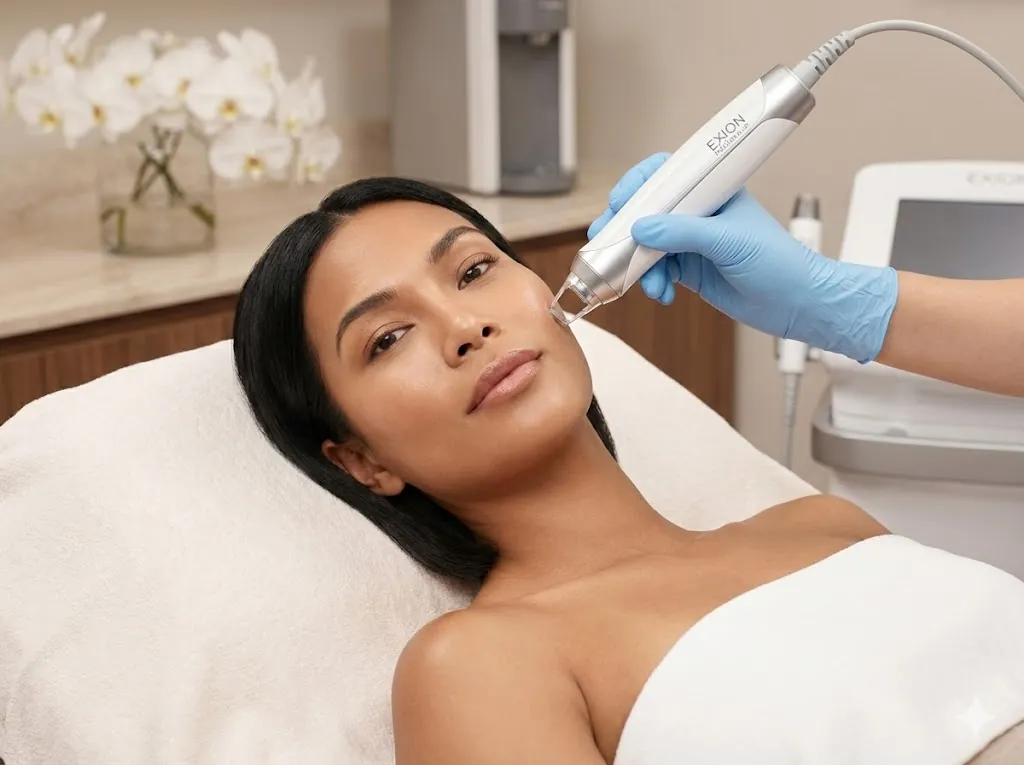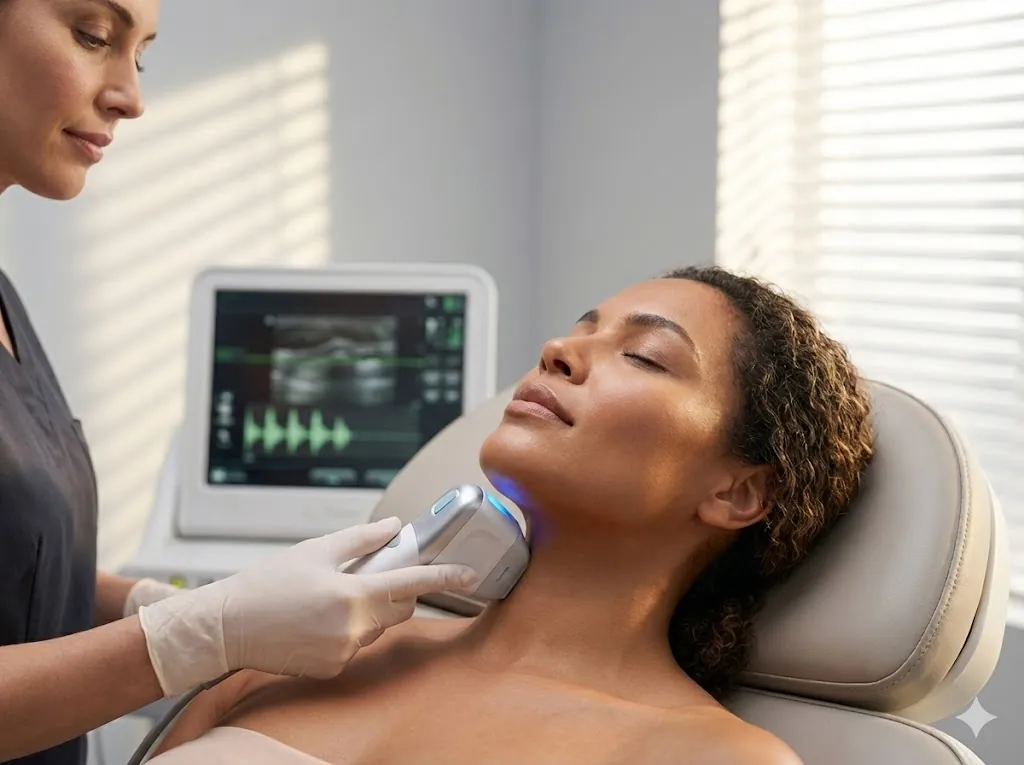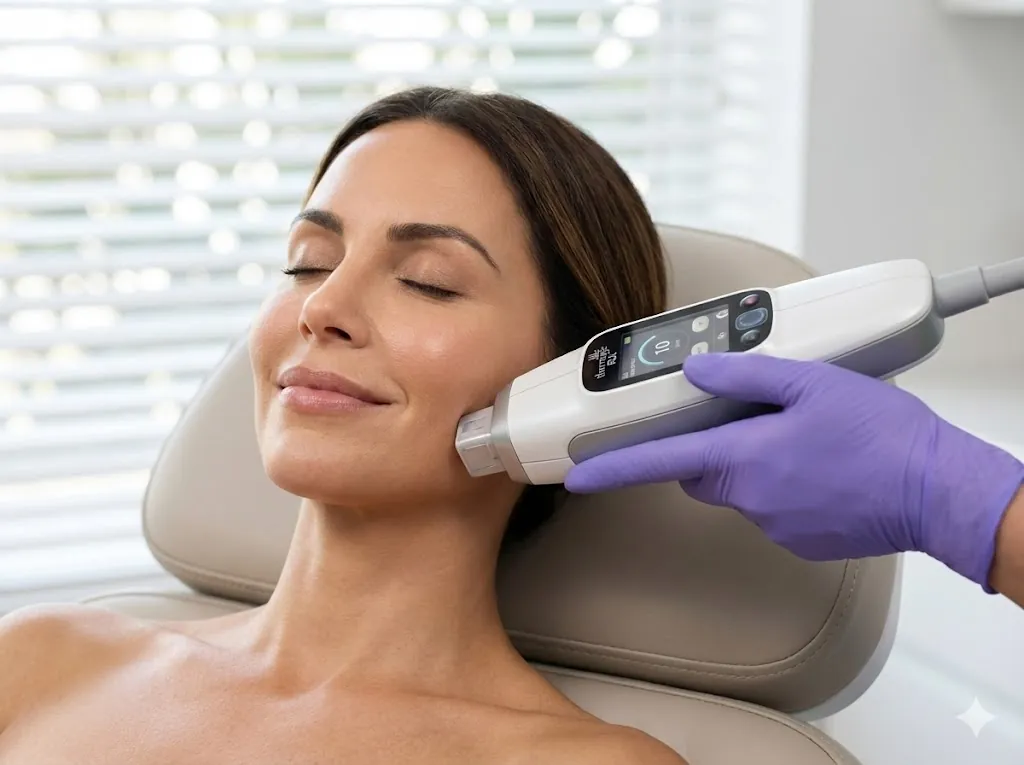
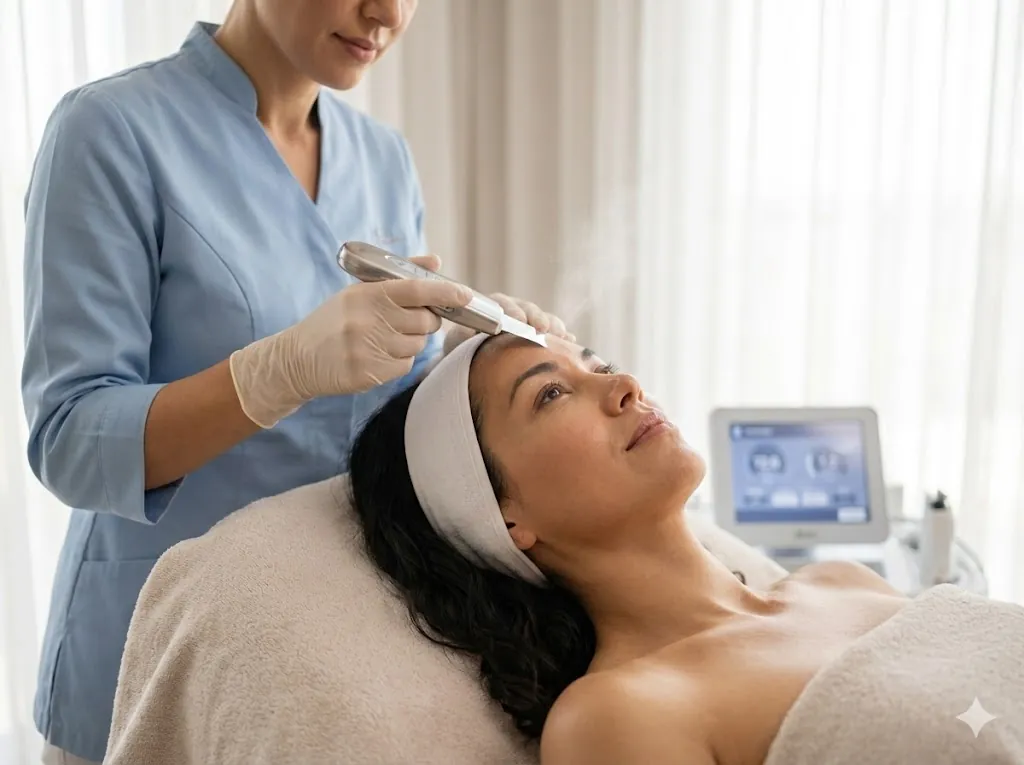
EMFace is a non-invasive facial treatment that combines HIFES muscle stimulation with synchronized radiofrequency in the same session. It tones the muscles that lift the mid-face and brow while gently heating the skin to stimulate collagen and elastin, so it addresses both the muscle and skin layers behind mild facial sagging.
In the evolving landscape of medical aesthetics, the quest for non-invasive facial lifting has transitioned from surface-level skin tightening to a more comprehensive structural approach. At Richmond Anti-Aging Clinic (RAAC) in Richmond, BC, we prioritize treatments backed by rigorous clinical data and physiological mechanisms. One such innovation that has redefined our approach to facial aging in 2026 is EMFace.
While traditional treatments often focus solely on the skin (dermis) or volume replacement (subcutaneous fat and bone), EMFace targets the very foundation of facial architecture: the muscles. To understand why this matters, one must first learn more about EMFace and how it addresses the biological triggers of facial sagging.
How does EMFace work?
EMFace is unique because it simultaneously emits two energies: High-Intensity Facial Electrical Stimulation (HIFES) and Synchronized Radiofrequency (RF). This synergistic approach allows for the concurrent treatment of facial skin and the underlying muscle structure.
1. HIFES: Restoring Muscle Tone
As we age, the muscles that support our face—specifically the "elevators" like the zygomaticus major, zygomaticus minor, and the frontalis—undergo atrophy. This loss of muscle tone contributes significantly to the sagging of the mid-face and the descent of the brow.
HIFES technology induces supramaximal contractions in these specific facial muscles. Unlike voluntary muscle contractions, these are triggered at a frequency and intensity that cannot be achieved through facial exercises. On a cellular level, this stimulation leads to muscle fiber hypertrophy (increase in size) and hyperplasia (increase in number), effectively "re-toning" the facial scaffolding. By strengthening the elevators while leaving the "depressor" muscles (those that pull the face down) unaffected, EMFace creates a natural lifting effect.
2. Synchronized RF: Dermal Remodeling
While HIFES works on the foundation, Synchronized RF targets the envelope—the skin. The RF energy delivered by EMFace is meticulously controlled to heat the dermis to approximately 40-42°C. This thermal stress triggers a wound-healing response without damaging the tissue.
Biochemically, this process stimulates fibroblasts to increase the production of collagen and elastin fibers. Collagen provides the structural strength of the skin, while elastin gives it the ability to spring back. For patients in Richmond and Greater Vancouver, including those with Asian skin types, this tightening process, which starts beneath the surface, can help with skin laxity while keeping the risk of PIH (post-inflammatory hyperpigmentation) low.
Is EMFace supported by clinical research?
Several studies published in dermatology journals have reported improvements in collagen density, muscle tone and wrinkles after treatment, without serious skin injury.
The rationale for EMFace is not purely theoretical; it has been examined in peer-reviewed research. A summary of the core clinical findings:
- A study in Journal of Drugs in Dermatology (JDD): Histological assessment found increased collagen density after treatment, along with changes in muscle-fibre structure at the microscopic level. The authors reported that combining muscle and skin treatment improved facial contour compared with a single modality.
- A study in Dermatologic Surgery: This clinical observation measured muscle changes after treatment and reported increased muscle tone, which corresponded to a fuller-looking mid-face.
- A study in Lasers in Surgery and Medicine: This multicentre study focused on patient satisfaction and safety. Most participants who completed the course showed a reduction in facial wrinkles, and no serious skin injury or rebound PIH was reported across the skin types studied, including Asian skin.
How is EMFace different from botulinum toxin, Ultherapy and fillers?
Botulinum toxin relaxes muscles, Ultherapy and conventional radiofrequency mainly tighten skin, and fillers restore volume; EMFace strengthens the lifting muscles while stimulating collagen. They work in different directions and can sometimes complement each other.
When weighing facial rejuvenation options, it helps to understand how EMFace differs from other common treatments:
- Compared with botulinum toxin: Botulinum toxin temporarily relaxes muscles to soften dynamic wrinkles such as crow's feet. EMFace, by contrast, lifts the face by activating and strengthening specific elevator muscles. The two work in opposite directions and can often be used together.
- Compared with conventional radiofrequency (RF) or Ultherapy (HIFU): These devices tighten skin, but they generally do not reach the muscle layer. EMFace's HIFES component addresses this gap by targeting age-related muscle loss.
- Compared with dermal fillers: Fillers add volume from outside to soften signs of aging. EMFace works by increasing the body's own muscle density and collagen, which helps address signs of aging with a natural-looking result.
Who is a good candidate for EMFace?
At Richmond Anti-Aging Clinic (RAAC), Dr. Charles Jiang emphasizes that a careful pre-treatment assessment is key. EMFace is not suitable for everyone; good candidates typically have the following:
- Mild to moderate facial laxity: People who want to improve a softening jawline, deepening nasolabial folds or a drooping brow.
- A preference for natural-looking results: Patients who do not want injections or surgery, or who want to help maintain the results of previous aesthetic treatments.
- Preventive anti-aging goals: Adults aged 30 and over who want to support facial structure as muscle loss begins.
- Concerns about pigmentation: Because EMFace does not injure the skin surface, it may be a suitable option for patients concerned about PIH after laser treatments.
Contraindications: Treatment is not recommended if you have metal plates or electronic implants (such as a pacemaker) in the facial area, or an active skin infection.
What are the limits of EMFace, and how many sessions are needed?
EMFace has limits. It cannot replace a surgical facelift for severe skin laxity. And although a single session starts the biological response, a full course of 4-6 sessions is usually needed for the intended structural results. At RAAC, all treatments are performed under medical supervision, with careful control of energy output.
Frequently Asked Questions (FAQ)
Q: Does the treatment hurt? A: Most patients describe a strong muscle-contraction sensation with warmth, a bit like a "hot stone massage" combined with a facial workout. No anesthesia or needles are involved, and most patients find it comfortable.
Q: Is there downtime after treatment? A: Because EMFace does not break the skin surface, most people resume normal activities, including makeup and work, the same day; temporary redness or swelling is possible. For busy professionals in Richmond, it can fit into a lunch break.
Q: How long do the results last? A: Results vary from person to person and gradually fade as natural aging continues. Maintenance treatments every six months to a year are usually recommended; Dr. Charles Jiang can advise on timing for you.
Q: Can EMFace cause rebound PIH? A: Because EMFace's synchronized RF energy acts on the deeper dermis without removing the skin surface, the risk of PIH is generally considered low for Asian skin types, especially when treatment is supervised by a physician, although every treatment carries some risk.
Conclusion
EMFace represents a shift in facial rejuvenation from treating the surface to strengthening the underlying structure. By combining HIFES muscle toning with collagen-stimulating synchronized RF, it offers another option for patients seeking a natural, evidence-informed approach to anti-aging. If you would like to understand how this technology could work for your facial structure, please contact Richmond Anti-Aging Clinic (RAAC); our team will provide a detailed consultation and a personalized plan. Book Your Consultation
This article is for educational purposes only and does not constitute medical advice. Please consult with a qualified healthcare professional before undergoing any treatment.