PRP Therapy Platelet-Rich Plasma Richmond, BC
PRP therapy for skin quality and hair thinning, assessed by a physician first
PRP (platelet-rich plasma) therapy at our Richmond, BC clinic uses a small sample of your own blood. It is spun to concentrate platelets, then injected or applied with microneedling to support skin quality or hair thickness. A physician assesses you first. Results vary, and evidence is still developing for some uses.
- 30-60 min
- Typical session length
- Same day
- Most resume routine; redness may last a few days
- 3-6 mo
- For skin or hair changes to develop
- 30-60 min
- Typical session length
- Same day
- Most resume routine; redness may last a few days
- 3-6 mo
- For skin or hair changes to develop
What Is PRP Therapy?
PRP stands for platelet-rich plasma. It is a concentration of platelets taken from a small sample of your own blood. Platelets carry growth factors involved in tissue repair, which is why PRP is used in skin and hair treatments.
PRP therapy uses your own blood to support skin quality and scalp health. It is sometimes called the 'vampire' treatment. Evidence differs by use and is still developing for some applications, so a physician explains what is realistic for you before you decide.
Collagen Stimulation
May support the skin's own collagen and elastin over time for firmer, smoother-looking skin.
Hair Restoration
May support hair follicles and scalp health as part of a physician-guided plan. Response varies.
Uses Your Own Blood
Because it comes from your own body, allergic reaction is uncommon. Bruising, swelling and infection are still possible.
How Does PRP Work?
The procedure is sterile and done within our clinic, typically in about an hour.
Collection
A small amount of blood is drawn from your arm, similar to a routine blood test.
Separation
The blood is spun in a specialized centrifuge to separate the plasma and concentrate the platelets.
Preparation
The platelet-rich layer is prepared. Platelet concentration varies by system and by person.
Delivery
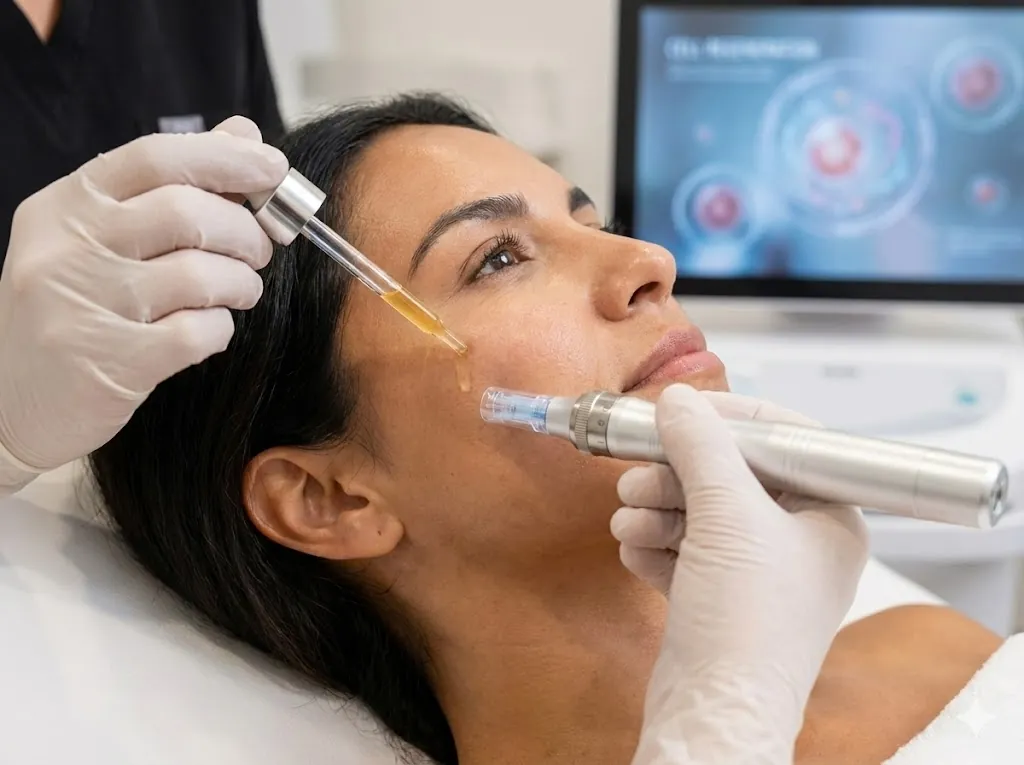
PRP is injected or applied via microneedling (e.g., Sylfirm X) into the target area.
Who Is PRP Suitable For?
A physician reviews your medical history, medications and any blood-related conditions before PRP is offered.
Ideal Candidates
- +People interested in a physician-guided option for skin quality
- +Those wanting to improve skin texture and restore glow
- +People looking to stimulate collagen production
- +People whose physician has suggested PRP as part of a plan
- +People with hair thinning who want to discuss PRP
Not Recommended For
- –Pregnant or breastfeeding individuals
- –People with active skin infections
- –Platelet or clotting disorders, or blood thinners (tell your physician; do not stop prescribed medication on your own)
- –Active cancer or recent chemotherapy, or another serious illness
- –Autoimmune conditions that affect the skin or healing (assessed case by case)
- –Anyone who needs a predictable outcome: response to PRP varies from person to person
Why Have PRP at RAAC Richmond?
Handling blood products calls for sterile medical technique. Safety comes first at RAAC.
Physician-Led Care
Under Dr. Jiang's supervision, blood is handled with sterile technique to reduce infection risk.
Sylfirm X Combination
PRP can be paired with Sylfirm X RF microneedling to place it into the skin. Whether this suits you is decided at your assessment.
Targeted Solutions
Separate approaches for facial skin and for hair thinning.
Comfort Measures
A topical numbing cream is used, and most people find the treatment tolerable.
Where Can PRP Be Used?
PRP is used on several areas of the face, neck, hands and scalp. Whether it suits yours is decided at assessment.
Under Eyes
May improve the look of dark circles and thin, crepey skin.
Scalp (Hair Loss)
Used as part of a plan for hair thinning. Response varies.
Full Face
Overall texture, tone and fine lines.
Neck & Décolletage
May soften the look of neck lines and sun-damaged skin.
Acne Scars
May improve the look of pitted scars over a series of sessions.
Hands
May improve texture and the look of thin skin on the hands.
What Happens During a PRP Session?
Every session starts with a physician's assessment and consent. A visit typically takes 30-60 minutes, including the blood draw, preparation and treatment, with topical numbing for comfort.
Pre-Treatment
Tell your physician about blood thinners and supplements; do not stop prescribed medication without medical advice
Stay well-hydrated before your appointment
Inform your doctor about any medications or health conditions
Arrive with clean skin in the treatment area
Avoid caffeine on the day of treatment
During Treatment
Blood Collection
A small amount of blood is drawn from your arm, similar to a routine blood test.
PRP Separation
The blood is spun in a specialized centrifuge to separate the plasma and concentrate the platelets.
PRP Preparation
The platelet-rich layer is prepared, containing concentrated platelets and the growth factors they carry.
Application
PRP is injected or applied via microneedling into the target area.
Post-Treatment
Avoid touching or rubbing the treated area for 24 hours
Stay out of direct sunlight and use SPF protection
Avoid strenuous exercise for 24-48 hours
Keep the area clean and moisturized; avoid scrubs and exfoliating products for about 24 hours
Changes develop gradually over about 3-6 months, and maintenance is often once or twice a year. Contact us about spreading redness, fever or worsening pain
*Individual results vary. Evidence for PRP is still developing for some uses.
PRP Therapy Questions
What is PRP therapy and how does it work?+
PRP (platelet-rich plasma) is made from a small sample of your own blood. It is spun in a centrifuge to concentrate platelets, which carry growth factors, then injected or applied with microneedling. The aim is to support skin quality or hair follicles. Results vary, and evidence is still developing for some uses.
Is PRP painful?+
Most people tolerate it well. A topical numbing cream is applied before microneedling or injection, and you may feel pinching, pressure or brief stinging during treatment. The blood draw feels like a routine blood test. Mild tenderness at the treated area can last a day or two.
How many PRP sessions do I need?+
For skin, a short series of 1-3 sessions spaced 4-6 weeks apart is common. Hair-thinning plans usually involve more sessions over 6-12 months. After a course, maintenance is often once or twice a year. Your physician sets the plan after assessment and reviews it as you respond.
Is there downtime after PRP?+
Most people resume normal activities the same day. Redness, swelling or small bruises at the treated area are common and usually settle within a few days. For about 24 hours, avoid touching the area, scrubs and exfoliating products, and strenuous exercise for 24-48 hours; use sunscreen afterwards.
How long do PRP results last?+
It varies. Changes in skin quality build gradually and fade over time as the skin keeps ageing, so many plans include a maintenance session once or twice a year after the initial course. No fixed duration can be promised, and your physician will review your response before suggesting more sessions.
Is PRP safe? What are the risks?+
PRP uses your own blood, so allergic reaction is uncommon. It is still a medical procedure: bruising, swelling, tenderness, infection and uneven results are possible. A physician screens for blood disorders, blood thinners, infection and pregnancy first.
When will I see results?+
Some people notice better skin glow within 2-4 weeks. Changes in skin quality and hair usually develop gradually over about 3-6 months. Individual results vary.
Can PRP help with hair loss?+
PRP is used by our physicians as part of hair restoration plans. It may support dormant follicles and scalp health, but response varies and not everyone is a suitable candidate. A physician assesses your hair loss pattern first.
How much does PRP cost in Richmond, BC?+
Prices are not listed online. Cost depends on the area treated (face or scalp), the number of sessions, and whether PRP is combined with Sylfirm X RF microneedling. Dr. Charles Jiang (29+ years of clinical experience) reviews your goals first, so you receive an estimate that fits your plan. Book a consultation at our Richmond clinic.
Who should not have PRP?+
PRP is not offered during pregnancy or breastfeeding, with an active skin infection in the area, or with a platelet or clotting disorder. Blood thinners, active cancer or recent chemotherapy, and some autoimmune conditions also need a physician's review first. Tell your physician about every medication and supplement, and do not stop prescribed medication on your own.
Does RAAC offer PRP consultations in Mandarin or Cantonese?+
Yes. Our clinical team speaks English, Mandarin and Cantonese, so you can discuss your PRP goals, medical history and aftercare in your preferred language. The clinic is at Unit 110, 5580 No. 3 Rd, Richmond, about a 3-minute walk from Lansdowne Station on the Canada Line (building parking is via Ackroyd Road), and we see patients from across Metro Vancouver. Open daily 09:00-18:00.
How strong is the evidence for PRP?+
It depends on the use. For some applications, including certain hair-thinning and joint uses, studies report benefit in some people, but protocols differ and results are inconsistent. For skin rejuvenation the evidence is smaller and still developing. Your physician will explain what to realistically expect.
Considering PRP in Richmond, BC?
Book a PRP consultation with Dr. Charles Jiang to discuss skin or hair options. Dr. Jiang has 29+ years of clinical experience.
Related treatments
What our clinical team has written about this
How it works, who it suits, and what recovery looks like:
- The Science of P-Shot: Mechanism and Clinical Evidence
Explore the cellular science of the P-Shot (Priapus Shot) for male sexual wellness. A physician-led deep-dive into PRP, angiogenesis, and clinical evidence.
- Understanding the Science of the O-Shot for Women
A deep dive into the cellular mechanisms and clinical evidence behind the O-Shot for sexual wellness and urinary health at Richmond Anti-Aging Clinic.
- The Science of the O-Shot and Ultra Femme 360
Explore the clinical science behind intimate wellness treatments like Ultra Femme 360 and the O-Shot. Learn how thermal energy and growth factors restore tissue function.
Also offered at our Burnaby location
SkinArt MD offers the same treatment. If Burnaby is more convenient, our sister clinic can help.
#101 - 4378 Beresford St, Burnaby, BC V5H 0H6 · +1 (604) 639-2581