The Science of Peptide Therapy: A Physician’s Perspective on Cellular Optimization
In the evolving landscape of regenerative medicine, few innovations have generated as much clinical interest as peptide therapy. As we navigate through 2026, the focus of medical aesthetics has shifted from superficial correction to deep cellular optimization. At Richmond Anti-Aging Clinic (RAAC) in Richmond, BC, we view the body not as a collection of isolated features, but as a complex network of biochemical signals.
Learn more about Peptide Therapy
Peptides are the messengers of this network. To understand their potential, one must move beyond the marketing and into the molecular biology that governs tissue repair, metabolic function, and systemic longevity. Under the guidance of Dr. Charles Jiang, a CPSBC-registered physician with over 29 years of clinical experience, our clinic prioritizes evidence-based protocols that leverage these bioactive molecules to restore what time and environmental stressors have depleted.
Understanding the Mechanism: What Are Peptides?
At their most fundamental level, peptides are short chains of amino acids, typically consisting of 2 to 50 monomers linked by peptide bonds. While they share the same building blocks as proteins, their smaller size allows them to act as highly specific signaling molecules. They function as ligands, binding to cell-surface receptors to trigger precise intracellular cascades.
In the context of bioactive peptides, the mechanism of action is often centered on "cell signaling mimicry." For example, when the skin is injured, the body naturally breaks down proteins into peptide fragments. These fragments signal the fibroblasts to produce more collagen. By introducing exogenous peptides via peptide therapy, we essentially "signal" the body to initiate repair and regenerative processes that may have slowed due to chronological aging.
The Role of GHK-Cu (Copper Peptides)
One of the most researched molecules in our repertoire is GHK-Cu. This tripeptide has a high affinity for copper ions, which are essential cofactors for several enzymatic reactions in the human body.
- Enzymatic Activation: GHK-Cu stimulates the activity of superoxide dismutase, a potent antioxidant that neutralizes free radicals.
- Extracellular Matrix (ECM) Modulation: It promotes the synthesis of collagen, elastin, and glycosaminoglycans, which form the structural scaffolding of the skin.
- Gene Expression: Emerging research suggests that GHK-Cu can modulate the expression of thousands of human genes, shifting them toward a more "youthful" or regenerative state.
Clinical Evidence and Peer-Reviewed Support
The efficacy of peptide therapy is not merely anecdotal; it is grounded in rigorous scientific inquiry. Several key studies highlight the transformative potential of these molecules:
- Pickart et al., Journal of Biomaterials Science: This foundational research demonstrated that the GHK-Cu peptide significantly accelerates wound healing and skin remodeling by modulating the inflammatory response and increasing the production of growth factors.
- Gorouhi and Maibach, International Journal of Cosmetic Science: In a comprehensive review of cosmeceutical peptides, the authors identified that specific signal peptides can penetrate the stratum corneum and effectively stimulate collagen synthesis, comparable to traditional topicals but with lower irritation profiles.
- Schagen, Dermato-Endocrinology: This study explored the role of various bioactive peptides in anti-aging, noting that their ability to interfere with neurotransmitters (neurotransmitter-inhibiting peptides) can reduce the appearance of expression lines, while carrier peptides facilitate the delivery of essential trace elements to the dermis.
At Richmond Anti-Aging Clinic (RAAC), we integrate these findings into our clinical practice. Our patients in Richmond benefit from protocols that are continuously updated to reflect the latest peer-reviewed data.
Comparing Biological Mechanisms
When considering regenerative treatments, patients often compare peptide therapy to other modalities. The following table outlines how peptides differ from adjacent mechanisms:
| Mechanism | Primary Function | Delivery Method | Target |
|---|---|---|---|
| Peptide Therapy | Cellular Signaling/Communication | Topical, Injectable, Oral | Specific Cell Receptors |
| Hormone Replacement | Endocrine System Balancing | Systemic (Pellets, Creams) | Systemic Homeostasis |
| Dermal Fillers | Physical Volume Replacement | Injection | Interstitial Space |
| Retinoids | Cell Turnover/Gene Transcription | Topical | Nuclear Receptors |
Peptide therapy is unique because it acts as a biological "software update," instructing cells to perform their natural functions more efficiently without the structural permanence of fillers or the systemic complexity of some hormone therapies.
Candidate Evaluation: Is Peptide Therapy Right for You?
Not every individual is an immediate candidate for peptide therapy. Clinical safety and efficacy depend heavily on a thorough medical assessment. As a CPSBC-registered physician, Dr. Charles Jiang oversees the evaluation process at our Richmond facility.
Ideal candidates often present with:
- Early signs of dermal thinning or loss of elasticity.
- Slow recovery times following physical exertion or aesthetic procedures.
- Specific concerns regarding skin texture and hyperpigmentation.
- A desire for preventative, non-invasive bio-optimization.
During your consultation, we examine your medical history, current skin health, and long-term goals. Because peptides act on a cellular level, we must ensure there are no underlying contraindications, such as active malignancies or specific autoimmune conditions, that might interact with growth-signaling pathways.
Limitations and Contraindications
While peptide therapy is highly versatile, it is not a "magic bullet." Results are often cumulative rather than instantaneous. Because peptides work with the body's natural cycles, visible improvements in tissue quality and metabolic function typically manifest over several weeks or months.
Key Considerations:
- Regulatory Status: We only utilize peptides and protocols that align with Health Canada and FDA safety standards.
- Consistency: Unlike a one-time surgical procedure, peptide therapy often requires a consistent regimen to maintain signaling levels.
- Professional Oversight: Due to the potency of bioactive peptides, self-administration without physician guidance is strongly discouraged. Dr. Jiang’s oversight ensures that the concentration and type of peptide are precisely matched to your biological needs.
Why Choose Richmond Anti-Aging Clinic (RAAC)?
In the Greater Vancouver area, patients have many choices for aesthetic care. However, RAAC stands apart through its commitment to medical depth and cultural competence.
- Physician-Led Care: Every protocol is vetted and supervised by Dr. Charles Jiang, ensuring the highest standards of safety and clinical excellence.
- Advanced Technology: We pair peptide therapy with state-of-the-art diagnostic tools to monitor your progress at the cellular level.
- Personalized Treatment Plans: We do not believe in "one-size-fits-all." Your peptide regimen is tailored to your unique biomarkers.
- Bilingual Staff: To better serve our Richmond community, we offer full consultations and support in both English and Chinese.
Many of our clients in Richmond have found that integrating peptides into their broader wellness routine has provided the "missing link" in their anti-aging strategy. Patients often tell us that they feel more resilient and notice a subtle, healthy glow that topical products alone couldn't achieve.
Frequently Asked Questions
How long does it take to see results from peptide therapy?
Individual results vary, but most patients begin to notice improvements in skin texture and energy levels within 4 to 8 weeks of consistent use. Deep structural changes, such as increased collagen density, may take 3 to 6 months to become fully apparent.
Are there any side effects?
Peptides are generally well-tolerated because they are similar to molecules already present in the body. However, some patients may experience mild redness at the injection site or temporary water retention. Dr. Jiang will discuss all potential risks during your evaluation.
Can I combine peptides with other treatments?
Yes. In fact, peptide therapy often enhances the results of other treatments like microneedling or laser resurfacing by accelerating the healing phase and boosting the regenerative response.
How are peptides administered?
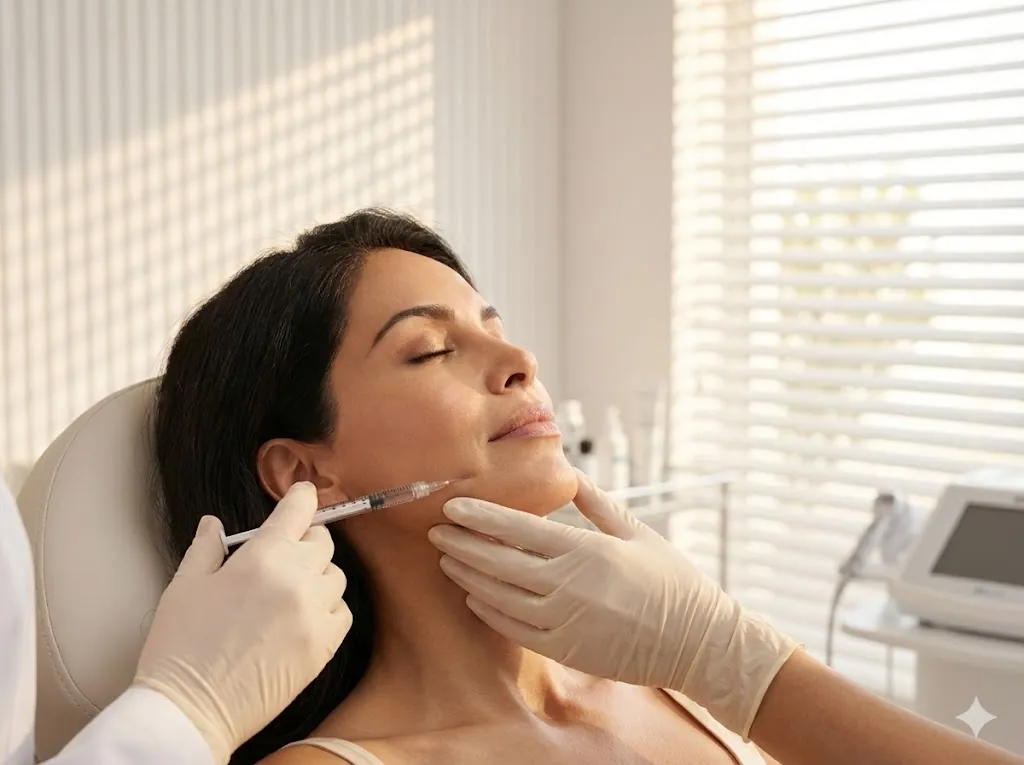
Depending on the specific goal, peptides can be administered via specialized topical serums, oral supplements, or targeted subcutaneous injections. Our medical team will determine the most effective route for your needs.
What is the cost of treatment?
Contact us for current pricing, as costs vary based on the specific peptides used and the duration of your personalized protocol.
Next Steps
If you are ready to move beyond surface-level treatments and explore the potential of cellular signaling, the next step is a professional assessment. Our team will guide you through the science, the expectations, and the personalized journey toward optimization.
Ready to See What Peptide Therapy Can Do for You?
Our medical team at Richmond Anti-Aging Clinic (RAAC) in Richmond is ready to create your personalized treatment plan. Book your complimentary consultation today — available in English and Chinese.
Disclaimer: This article is for educational purposes only and does not constitute medical advice. Please consult with a qualified healthcare professional before undergoing any treatment.