The Science of Hair Restoration and Skin Renewal: A Physician-Led Deep Dive
In the evolving landscape of regenerative medicine, the ability to stimulate the body’s innate healing mechanisms has transformed how we approach aesthetic concerns. At Richmond Anti-Aging Clinic (RAAC) in Richmond, BC, we prioritize a science-first methodology. This article explores the biochemical foundations of Hair Restoration and skin renewal, moving beyond surface-level aesthetics to understand the cellular signaling that drives true tissue revitalization.
Whether you are experiencing the early stages of androgenetic alopecia or seeking to reverse the structural decline of the dermis, understanding the "how" is essential. Learn more about Hair & Skin Renewal and how these biological interventions can bridge the gap between traditional topicals and invasive surgery.
The Mechanism of Action: Cellular Signaling and Growth Factors
At the heart of regenerative treatment is the concept of autologous stimulation. The primary mechanism involves the isolation and concentration of bioactive proteins found within the blood. These proteins, specifically stored in the alpha-granules of platelets, include Transforming Growth Factor-beta (TGF-β), Vascular Endothelial Growth Factor (VEGF), and Epidermal Growth Factor (EGF).
1. Hair Restoration at the Follicular Level
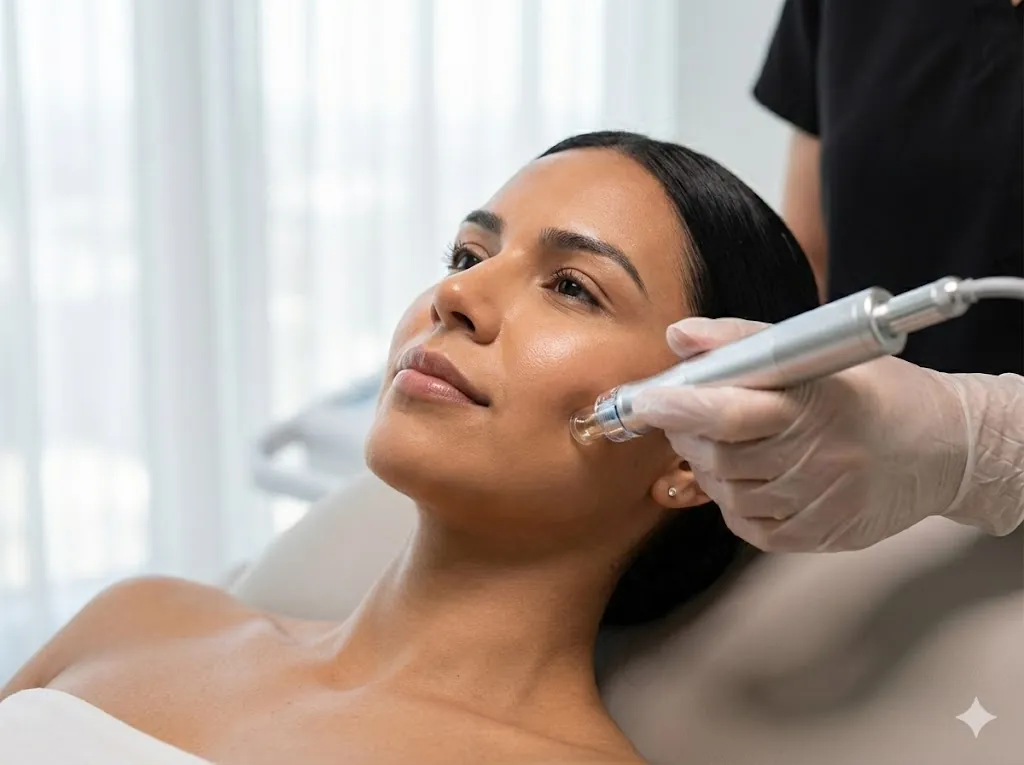
For hair renewal, the objective is to prolong the anagen (growth) phase of the hair follicle. When these concentrated growth factors are introduced into the scalp, they interact with the dermal papilla cells. Research suggests that this interaction activates the extracellular signal-regulated kinase (ERK) and Akt signaling pathways. This biochemical cascade promotes the survival of dermal papilla cells and stimulates the transition of dormant follicles back into the active growth phase. Book a Consultation to discuss how this mechanism applies to your specific hair loss pattern.
2. Skin Renewal and Fibroblast Activation
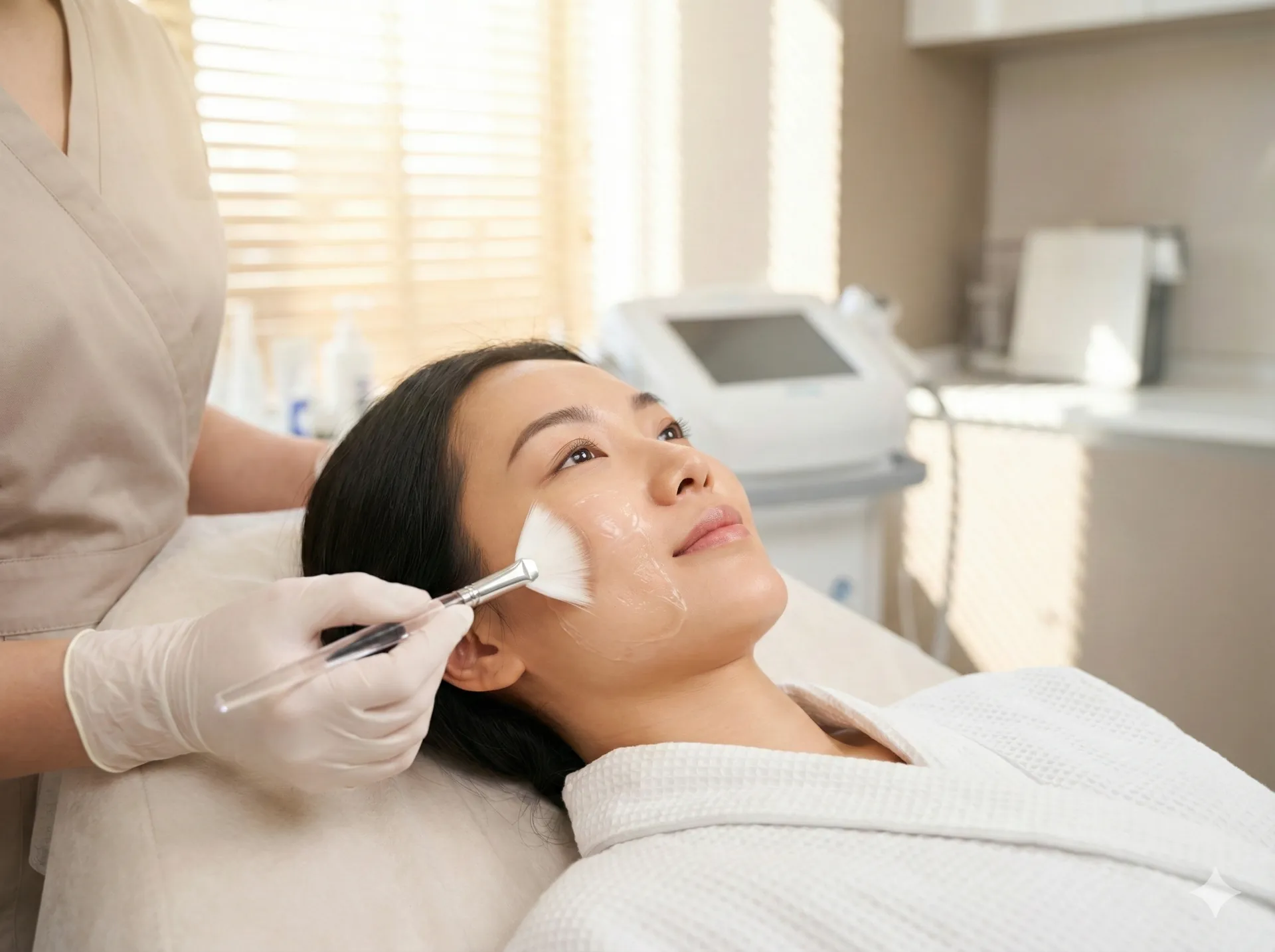
In the context of the skin, the mechanism shifts toward the fibroblast—the cell responsible for collagen and elastin production. Regenerative treatments trigger a "controlled healing response." By introducing concentrated cytokines, we stimulate fibroblasts to synthesize Type I and Type III collagen. This process is not merely about filling a wrinkle but about improving the biological age of the skin by restoring its structural matrix and improving microcirculation through angiogenesis (the formation of new blood vessels).
Clinical Evidence: What the Research Says
The efficacy of regenerative Hair Restoration and skin renewal is supported by a growing body of peer-reviewed literature. At Richmond Anti-Aging Clinic (RAAC), we align our protocols with evidence-based medicine.
- Stevens et al., Aesthetic Surgery Journal: This study highlighted the significant increase in hair density and cross-sectional hair diameter in patients undergoing autologous growth factor treatments. The researchers noted that the biological approach outperformed placebos in both subjective patient satisfaction and objective microscopic hair counts.
- Gentile et al., Biomedicines: This research focused on the regenerative potential of follicular stem cells and growth factor signaling. The study concluded that such treatments are a viable medical therapy for androgenetic alopecia, showing significant improvement in hair thickness without the systemic side effects associated with pharmaceutical interventions.
- Gupta et al., Journal of Cosmetic Dermatology: A meta-analysis of multiple clinical trials confirmed that regenerative injections provide a statistically significant improvement in skin texture, elasticity, and follicular health. The study emphasized the importance of standardized preparation protocols to ensure optimal concentrations of bioactive proteins.
Comparison of Hair Restoration Mechanisms
When evaluating options in Richmond, it is helpful to compare regenerative approaches with traditional alternatives.
| Feature | Regenerative Treatment | Traditional Topicals (Minoxidil) | Hair Transplant Surgery |
|---|---|---|---|
| Mechanism | Biological signaling/Growth factors | Vasodilation & K-channel opening | Physical relocation of follicles |
| Invasiveness | Minimally invasive (injections) | Non-invasive (daily application) | Surgical (incisions/grafts) |
| Systemic Risk | Negligible (autologous) | Low (potential scalp irritation) | Moderate (surgical risks) |
| Recovery | Zero to 24 hours | None | 7 to 14 days |
| Physician Oversight | Essential for safety | Minimal to none | Required |
Candidate Evaluation: The RAAC Approach
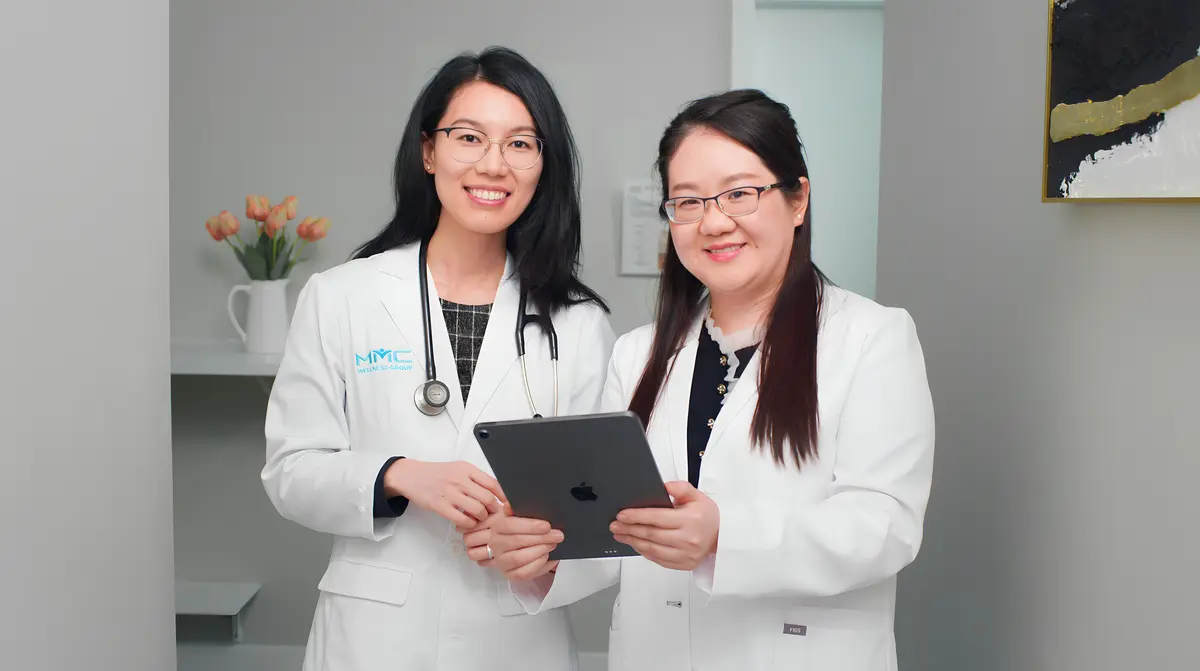
Not every patient is an ideal candidate for regenerative Hair Restoration or skin renewal. A critical component of our practice in Richmond is the initial medical assessment. Under the guidance of Dr. Charles Jiang, a CPSBC-registered physician with over 29 years of clinical experience, we evaluate patients based on the following criteria:
Ideal Candidates for Hair Renewal
- Individuals in the early to moderate stages of thinning (Norwood scale I-IV).
- Patients with miniaturized hairs that are still viable for stimulation.
- Those seeking a natural alternative or supplement to pharmaceutical options.
Ideal Candidates for Skin Renewal
- Patients noticing a loss of skin laxity or "crepiness."
- Individuals with fine lines that do not yet require deep dermal fillers.
- Patients seeking to improve the overall health and "glow" of the skin through biological repair.
Contraindications and Limitations
It is important to note that regenerative treatments rely on the patient's own biological health. Individuals with active scalp infections, certain autoimmune disorders affecting the skin, or platelet dysfunction syndromes may not be suitable candidates. During your assessment, Dr. Charles Jiang (CPSBC) will review your medical history to ensure the highest safety standards. Book a Consultation for a personalized evaluation.
Why Choose Richmond Anti-Aging Clinic (RAAC)?
Selecting a clinic for regenerative medicine requires a focus on safety and precision. Many of our clients in Richmond have found that a physician-led environment provides the peace of mind necessary for medical aesthetic procedures.
- Physician-Led Care: Every regenerative protocol is overseen by Dr. Charles Jiang, ensuring that the clinical application meets the rigorous standards of the College of Physicians and Surgeons of British Columbia.
- Advanced Technology: We utilize high-yield centrifuge systems and precision injection techniques to ensure the highest possible concentration of growth factors reaches the target tissue.
- Personalized Treatment Plans: We do not believe in a one-size-fits-all approach. Your biology is unique, and your treatment plan should reflect that.
- Bilingual Staff: To better serve our diverse community in Richmond, BC, our team offers consultations in both English and Chinese.
Patients often tell us that the difference lies in our commitment to education. We want you to understand the science behind your results. Contact us for current pricing and to discuss how we can tailor a plan to your goals.
Frequently Asked Questions
Is the treatment painful? Most patients describe the sensation as a series of quick pinpricks. We use various comfort measures, including topical numbing creams or cooling devices, to ensure the experience is as comfortable as possible.
How many sessions are typically required? For Hair Restoration, we generally recommend an initial series of 3 to 4 sessions spaced approximately one month apart. Skin renewal protocols vary depending on the degree of structural decline, but a similar initial series is often optimal.
When will I see results? Biological repair takes time. While some patients notice improved skin texture within weeks, hair renewal typically requires 3 to 6 months to see visible changes in density and thickness, as this aligns with the natural hair growth cycle.
Is there any downtime? There is minimal downtime. Patients may experience slight redness or swelling at the injection sites for 12 to 24 hours, but most return to their normal activities in Richmond immediately following the appointment.
Are the results permanent? Regenerative treatments effectively "turn back the clock," but they do not stop it. Maintenance sessions once or twice a year are typically recommended to sustain the stimulus and combat ongoing natural aging or genetic thinning.
Next Steps
If you are ready to move beyond temporary fixes and explore the biological potential of your own body, the next step is a professional assessment. Our medical team will analyze your skin or scalp health and determine if a regenerative approach is the most effective path forward for you.
Ready to See What Hair & Skin Renewal Can Do for You?
Our medical team at Richmond Anti-Aging Clinic (RAAC) in Richmond is ready to create your personalized treatment plan. Book your complimentary consultation today — available in English and Chinese.
Disclaimer: This article is for educational purposes only and does not constitute medical advice. Please consult with a qualified healthcare professional before undergoing any treatment. Individual results depend on various factors and may vary. All treatments discussed are subject to Health Canada and FDA regulatory oversight.