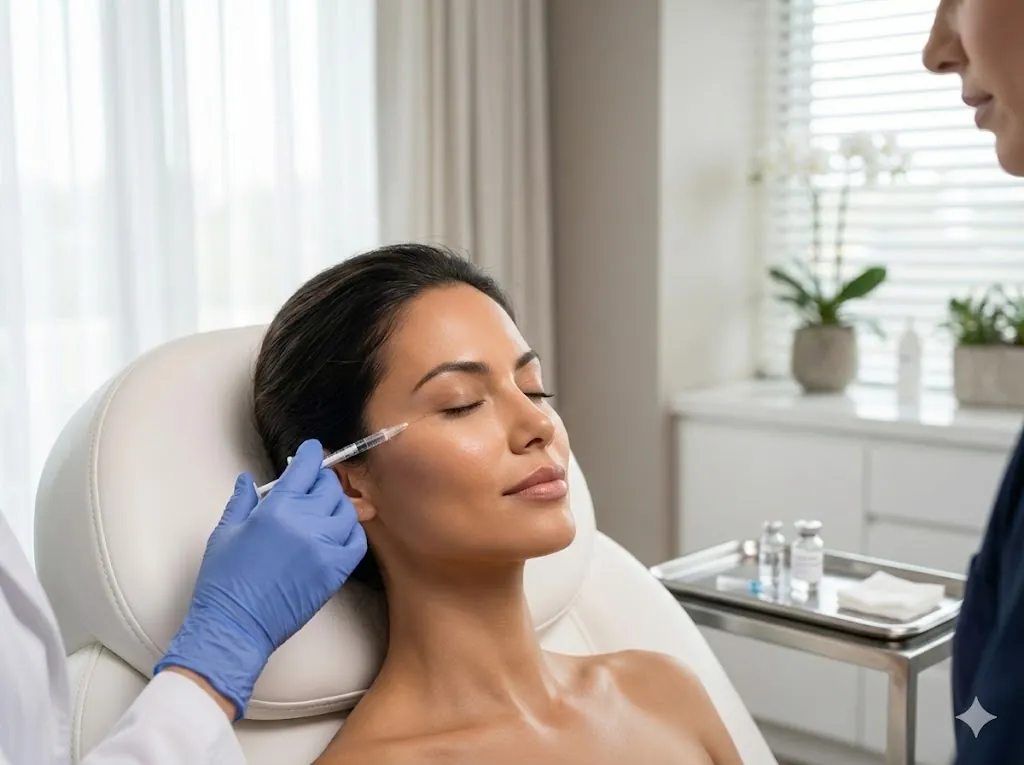
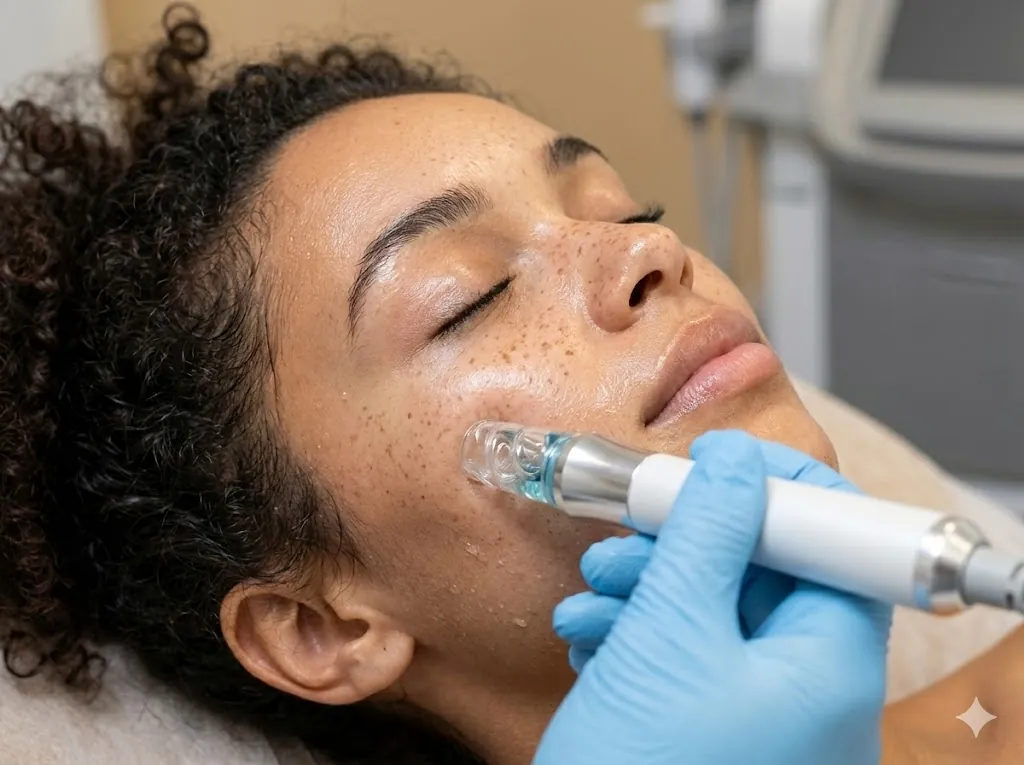
HydraPeel is a multi-step medical facial that cleanses pores with a liquid vortex, exfoliates with a mild salicylic and glycolic acid peel, and infuses serums in one visit. Most people resume normal activities the same day, and changes in fine lines and pigmentation usually build over a series of sessions planned after a physician-led skin assessment.
In the evolving landscape of medical aesthetics in 2026, the demand for non-invasive treatments that deliver measurable physiological changes has never been higher. Among these, HydraPeel has emerged as a cornerstone of modern dermatological care. At Richmond Anti-Aging Clinic (RAAC) in Richmond, BC, we approach this treatment not merely as a cosmetic facial, but as a sophisticated multi-stage dermal health system. Learn more about HydraPeel to understand the basics before we dive into the complex biochemical mechanisms that make this treatment a staple in clinical practice.
How does HydraPeel work on the skin?
HydraPeel combines a liquid vortex that lifts debris from pores, a salicylic and glycolic acid phase that loosens dead skin cells, and serum infusion, working on the outer skin layers without abrasive crystals.
The efficacy of HydraPeel lies in its patented delivery system, which utilizes a specialized tip to create a fluid vortex. This is not a simple topical application; it is a mechanical and chemical intervention at the stratum corneum and upper epidermal layers.
1. Hydro-Exfoliation and Vortex-Extraction
Unlike traditional microdermabrasion, which uses abrasive crystals or diamond tips that can cause micro-traction and inflammation, HydraPeel employs a liquid-based exfoliation. The "Vortex-Fusion" technology creates a vacuum effect that simultaneously lifts impurities from the follicular ostia (pores) while saturating the skin with a localized solvent. Mechanically, this reduces the cohesive forces between corneocytes, allowing for a more uniform removal of the dead skin layer without compromising the lipid barrier.
2. Chemical Peeling and Keratolysis
During the second phase, a mixture of salicylic and glycolic acids is introduced. At a molecular level, glycolic acid—the smallest alpha-hydroxy acid (AHA)—penetrates the skin to dissolve the intercellular glue (desmosomes). Salicylic acid, a lipophilic beta-hydroxy acid (BHA), migrates into the sebaceous units to break down sebum and cellular debris. This dual-action approach is designed to cleanse the skin, which may be an option for some patients who prefer it to manual extractions.
3. Cellular Oxygenation (The Oxygen Facial Component)
Often referred to as an oxygen facial, the final stages of the treatment focus on transdermal delivery. By increasing the partial pressure of oxygen at the skin surface, we may help facilitate cellular respiration. Increased oxygen availability in the dermal microenvironment is associated with enhanced ATP (adenosine triphosphate) production within the mitochondria of fibroblasts, which are the cells responsible for collagen synthesis.
What does the research say about HydraPeel?
Published studies on hydradermabrasion report improvements in skin texture, pore size, pigmentation and antioxidant levels after a series of treatments, although individual results vary and a physician-led plan is recommended.
The medical community has documented the benefits of hydradermabrasion and infusion technology in several key studies: The findings indicated that hydradermabrasion resulted in a more significant increase in epidermal thickness and a higher density of collagen fibers, likely due to the infusion of antioxidants during the mechanical process. The study concluded that this method significantly increased skin antioxidant levels compared to manual topical application, providing better protection against reactive oxygen species (ROS). At Richmond Anti-Aging Clinic (RAAC), our lead physician, Dr. Charles Jiang, emphasizes that while clinical studies show clear benefits, results are achieved through physician-led protocols. Dr. Jiang, a licensed physician with over 29 years of clinical experience, oversees the integration of these technologies to ensure patient safety and optimal outcomes. Book a Consultation to discuss how these clinical findings apply to your unique skin profile.
Who is a good candidate for HydraPeel?
While HydraPeel is generally safe for all Fitzpatrick skin types, a thorough candidate evaluation is essential. At our Richmond clinic, we assess several factors:
- Barrier Integrity: Patients with compromised skin barriers (e.g., active eczema or rosacea flares) may need to stabilize their condition before proceeding.
- Acne Grade: While excellent for Grade I and II acne, Grade IV cystic acne requires a more nuanced medical approach directed by Dr. Jiang.
- Allergies: We screen for sensitivities to aspirin (salicylic acid) or shellfish (often found in certain serums). Dr. Charles Jiang’s oversight as a licensed physician ensures that if a patient presents with underlying dermatological pathology, it is identified prior to treatment. This level of medical scrutiny is part of how care is provided at the Richmond Anti-Aging Clinic (RAAC).
How does HydraPeel compare with microdermabrasion and chemical peels?
HydraPeel relies on a liquid vortex and serum infusion rather than the friction of traditional microdermabrasion or the deeper chemical action of a strong peel; the table compares downtime, cleansing, hydration and comfort.
| Feature | HydraPeel | Traditional Microdermabrasion | Chemical Peel (High Strength) |
|---|---|---|---|
| Primary Mechanism | Vortex-Fusion & Infusion | Mechanical Friction | Chemical Denaturation |
| Downtime | Minimal | Minimal Redness | 3–7 Days |
| Deep Cleansing | High (Vacuum Extraction) | Low | Moderate |
| Hydration Level | Immediate Increase | Temporary Decrease | Variable |
| Sensation | Most people find it comfortable | Mild grittiness | Stinging/burning |
Why Choose Richmond Anti-Aging Clinic (RAAC)?
At RAAC, care is organised around:
- Physician-Led Care: Your treatment plan is overseen by a physician.
- Advanced Technology: We use physician-administered systems.
- Bilingual Staff: We are proud to offer services in both English and Chinese to serve our diverse Richmond community.
- Personalized Assessment: We don't believe in one-size-fits-all. Your treatment is calibrated to your specific skin needs. Book your skin assessment today to begin your journey toward healthier skin.
Frequently Asked Questions
Is HydraPeel painful? Most people describe the sensation as a cool, wet paintbrush moving across the face. Downtime is minimal; most people return to your daily activities in Richmond immediately. How many sessions are recommended? While a single treatment provides an immediate glow, clinical results for fine lines and hyperpigmentation are typically seen after a series of 3 to 6 sessions. Individual results depend on skin condition and goals. Can I combine this with other treatments? Yes, HydraPeel is often used as a primer for laser treatments or injectables. However, the timing must be managed by a medical professional like Dr. Jiang to ensure safety. What is the cost of the treatment? Contact us for current pricing.
Next Steps
If you are ready to experience the deep cleansing and rejuvenating effects of a medical-grade HydraPeel, the next step is a professional evaluation. Our team will analyze your skin and determine the optimal serum infusion for your concerns. Ready to See What HydraPeel Can Do for You? Our medical team at Richmond Anti-Aging Clinic (RAAC) in Richmond is ready to create your personalized treatment plan. Book your consultation today — available in English and Chinese. Disclaimer: This article is for educational purposes only and does not constitute medical advice. Please consult with a qualified healthcare professional before undergoing any treatment.