The O-Shot is an injection of platelet-rich plasma (PRP), prepared from your own blood, into the clitoral area and upper vaginal wall to support tissue repair. Early studies suggest possible improvements in arousal, sensation and stress urinary incontinence, but the evidence is still limited, and a physician evaluation determines whether it is appropriate for your concerns.
In the evolving landscape of regenerative medicine, few treatments have garnered as much attention for female intimate wellness as the o-shot. Also known as the orgasm shot, this procedure leverages the body's innate healing capacity to address concerns ranging from sexual dysfunction to stress urinary incontinence. At Richmond Anti-Aging Clinic (RAAC) in Richmond, BC, we believe that informed patients achieve the best outcomes. This article provides a comprehensive scientific exploration of Platelet-Rich Plasma (PRP) applications in vaginal health. Learn more about O-Shot to understand the basics before diving into the clinical specifics.
How does the O-Shot work?
The o-shot is fundamentally an autologous Platelet-Rich Plasma (PRP) treatment. The biological premise rests on the concentration of platelets—small cell fragments in the blood responsible for clotting and tissue repair—well above baseline physiological levels.
Platelet Activation and Growth Factor Release
When PRP is injected into specific anatomical sites (the clitoral glans and the upper vaginal wall/G-spot area), the platelets undergo degranulation. This process releases a high concentration of bioactive proteins and growth factors into the local microenvironment, including:
- Platelet-Derived Growth Factor (PDGF): Stimulates cell replication and angiogenesis (the formation of new blood vessels).
- Vascular Endothelial Growth Factor (VEGF): Crucial for restoring microcirculation to vaginal tissues.
- Transforming Growth Factor Beta (TGF-β): Promotes collagen synthesis and extracellular matrix remodeling.
- Epidermal Growth Factor (EGF): Enhances epithelial cell growth and repair.
Neovascularization and Neurogenesis
Under the clinical oversight of a licensed physician, the o-shot aims to trigger a regenerative cascade. The primary objective is twofold: neovascularization and neurogenesis. By increasing blood flow (angiogenesis) to the clitoral and vaginal tissues, the treatment may enhance sensitivity and natural lubrication. Simultaneously, the growth factors support the health of local nerve endings, potentially improving the signal transduction required for arousal and orgasm.
What does the research say about the O-Shot?
Pilot studies and small trials report improvements in sexual function scores and in stress urinary incontinence symptoms after PRP injections, but the field is still developing and results vary between individuals.
While regenerative aesthetics is a rapidly growing field, several peer-reviewed studies provide a foundation for the use of PRP in female sexual health and urology.
- Runels et al., Journal of Women's Health Care: The pioneer of the procedure documented a pilot study indicating that a high percentage of women experienced improved sexual function, including increased desire, arousal, and lubrication following PRP injections.
- Kim et al., Journal of Cosmetic Dermatology: This research explored the efficacy of PRP for female sexual dysfunction. The findings suggested that the regenerative properties of platelets could significantly improve scores on the Female Sexual Function Index (FSFI), particularly in the domains of satisfaction and pain reduction.
- Neto et al., Urogynecology: In studies focusing on the urological applications of PRP, researchers have observed improvements in symptoms of stress urinary incontinence (SUI). The theory is that the PRP strengthens the fibro-muscular shelf between the vagina and the urethra, providing better support to the bladder neck. At Richmond Anti-Aging Clinic (RAAC), we monitor these clinical developments closely to ensure our protocols in Richmond reflect current evidence-based medicine. Book a Consultation to discuss how this clinical data applies to your specific health profile.
Candidate Evaluation: Who Should Consider the O-Shot?
Not every patient is an ideal candidate for the o-shot. A thorough medical evaluation is paramount. Dr. Charles Jiang emphasizes a personalized diagnostic approach at our Richmond facility to determine if a patient's concerns are physiological, hormonal, or psychological.
Primary Indications
- Hypoactive Sexual Desire Disorder (HSDD): Women experiencing a persistent or recurrent lack of interest in sexual activity.
- Female Sexual Arousal Disorder: Difficulty maintaining or achieving physical arousal.
- Anorgasmia: Difficulty or inability to reach orgasm, even with sufficient stimulation.
- Dyspareunia: Pain during intercourse, often associated with vaginal atrophy or lichen sclerosus.
- Stress Urinary Incontinence (SUI): Involuntary leakage of urine during physical activity, coughing, or sneezing.
Contraindications
Patients with active vaginal infections, certain gynecological cancers, or systemic platelet disorders may not be suitable for the procedure. During your assessment at Richmond Anti-Aging Clinic (RAAC), we review your full medical history to ensure safety and efficacy.
How does the O-Shot compare with vaginal laser and Emsella?
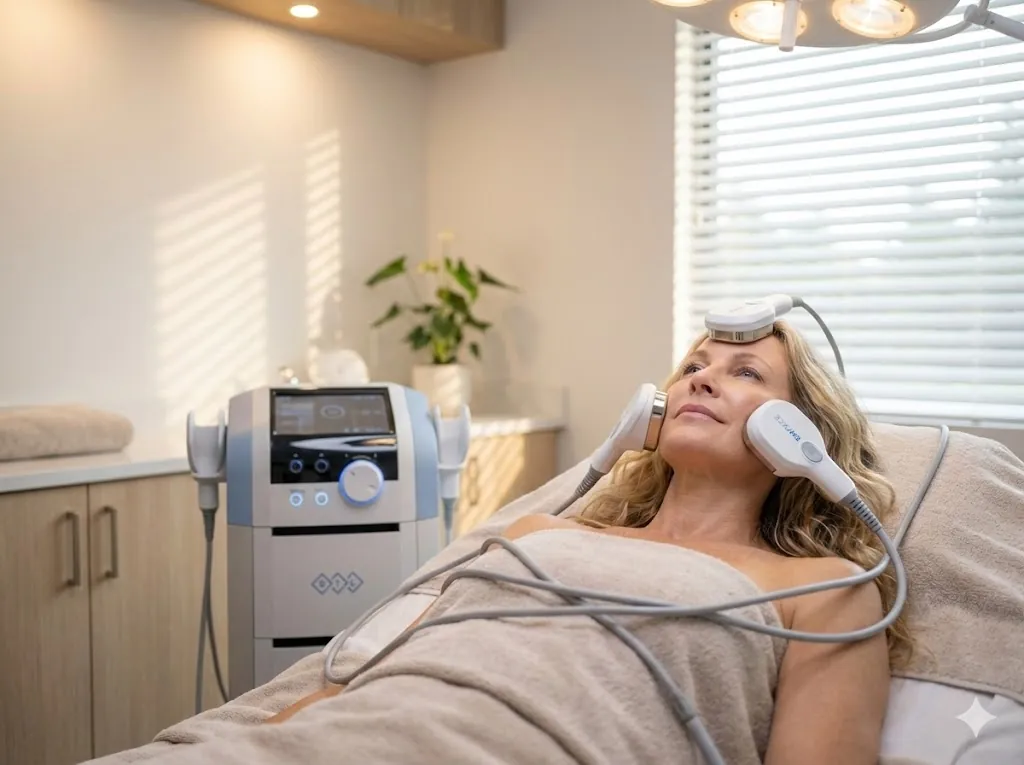
The O-Shot uses growth factors from your own blood to support tissue health, whereas vaginal laser uses heat to remodel tissue and Emsella uses electromagnetic energy to strengthen the pelvic floor; some patients combine approaches.
To understand where the o-shot fits into a treatment plan, it is helpful to compare it to other common interventions available in Richmond and the Greater Vancouver area.
| Feature | O-Shot (PRP) | Laser Therapy (e.g., CO2) | Emsella (HIFEM) |
|---|---|---|---|
| Mechanism | Biological (Growth Factors) | Thermal (Tissue Remodeling) | Electromagnetic (Muscle Contraction) |
| Primary Goal | Tissue Regeneration/Sensitivity | Collagen Induction/Tightening | Pelvic Floor Strengthening |
| Invasiveness | Minimally Invasive (Injection) | Non-Invasive (Topical Probe) | Non-Invasive (Sitting in a chair) |
| Autologous | Yes (Uses your own blood) | No | No |
| Best For | Arousal, Sensation, SUI | Vaginal Atrophy, Laxity | Severe Incontinence |
What happens during an O-Shot treatment?
A small blood sample is drawn and spun to concentrate the platelets, numbing cream is applied, and the PRP is injected with a fine needle; most patients return to normal activities soon after, with brief pelvic rest.
Understanding the step-by-step process helps alleviate anxiety and sets realistic expectations for our patients.
- Phlebotomy: A small amount of blood (similar to a standard blood test) is drawn from the arm.
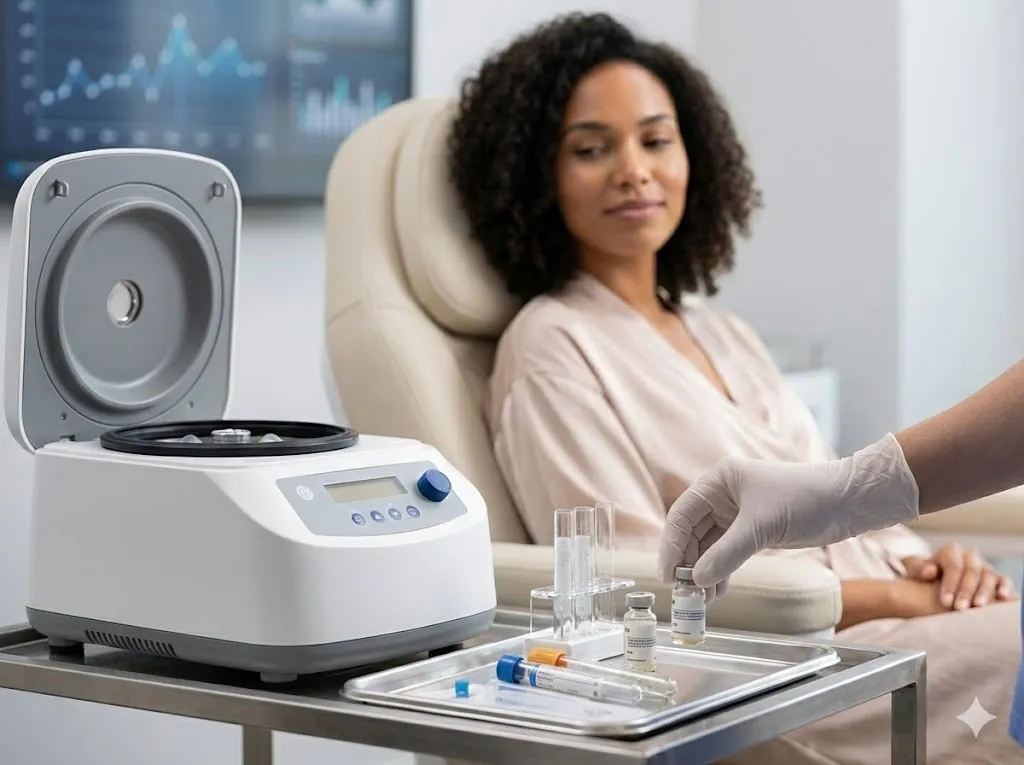
- Centrifugation: The blood is placed in a specialized centrifuge to separate the platelets from the red and white blood cells. This results in a highly concentrated PRP serum.
- Numbing: A potent local anesthetic cream is applied to the injection sites to ensure comfort. Dr. Charles Jiang and our medical team prioritize your comfort.
- Injection: Using a very fine needle, the PRP is precisely injected into the clitoral area and the upper vaginal wall. The entire procedure typically takes less than 40 minutes.
- Recovery: Downtime is usually minimal. Most patients can return to work and normal activities immediately, though we recommend a short period of pelvic rest as advised during your session.
Why Choose Richmond Anti-Aging Clinic (RAAC)?
When seeking a procedure as sensitive as the o-shot, the environment and the expertise of the provider are critical.
- Physician-Led Care: RAAC is a physician-led clinic that focuses on medical safety and ethics as well as results. Our team personally reviews each patient's assessment, so treatment plans are based on medical evidence.
- Privacy and an Autologous Approach: We understand how much our Richmond and Greater Vancouver patients value privacy and natural approaches. PRP uses your own blood and contains no synthetic chemicals.
- Careful Clinical Technique: We give specific clinical attention to injection depth and concentration, with the aim of reducing the risk of PIH and improving comfort.
Frequently Asked Questions (FAQ)
Q: How soon will I see results after the O-Shot? A: Increased sensitivity may occur within days, but tissue regeneration (collagen and new blood vessels) takes time, so changes may be more noticeable after several weeks and may continue to develop over the following months. Results vary from person to person.
Q: Does the treatment hurt? A: We use a strong topical anesthetic cream, and the procedure is generally tolerated, with mainly mild pressure or a dull ache. Dr. Charles Jiang performs the injections with precision and care.
Q: How long do the results last? A: Results vary from person to person and gradually fade over time. Some women choose a yearly maintenance treatment; your physician can advise what is appropriate for you.
Q: How is the PRP prepared, and is it right for me? A: PRP therapy processes your own blood using medical-grade centrifuge equipment. Evidence for its use in intimate health is still limited, so it should be performed under the supervision of an experienced physician, who will discuss the potential benefits and risks with you.
Q: Is there a risk of darkening after treatment? A: The O-Shot is injected into the vaginal mucosa and the tissue around the clitoris and does not remove the skin surface. Because no heat is used, the risk of PIH is considered low. For patients whose skin is prone to PIH, we carry out a detailed skin-type assessment before treatment.
Final Thoughts
Women's intimate health should not be a taboo topic. The O-Shot is a regenerative approach that, with careful medical supervision, may help some women improve their quality of life. If you are looking for intimate health care in Greater Vancouver, contact us to start the conversation; cost is explained at your consultation. Book Your Private Consultation
This article is for educational purposes only and does not constitute medical advice. Please consult with a qualified healthcare professional before undergoing any treatment. Individual results vary.