After microneedling, the tiny channels in your skin stay open for several hours, so aftercare matters: keep the skin hydrated with gentle products such as hyaluronic acid, avoid UV and use a mineral sunscreen once the channels close, and pause retinoids, vitamin C and exfoliating acids for a few days. Redness usually settles within a day or two.
Microneedling, scientifically referred to as Percutaneous Collagen Induction (PCI) or skin needling, has transitioned from a niche dermatological procedure to a cornerstone of regenerative aesthetics. At Richmond Anti-Aging Clinic (RAAC) in Richmond, BC, we approach this treatment not merely as a cosmetic service, but as a precise biological intervention designed to leverage the body’s innate wound-healing cascade. Understanding the biochemical pathways activated during a session is essential for any patient considering this journey. Furthermore, the efficacy of the procedure is profoundly influenced by the post-treatment skincare regimen adopted during the critical healing window. Learn more about Microneedling and how it can transform your skin texture and tone.
How does microneedling stimulate collagen?
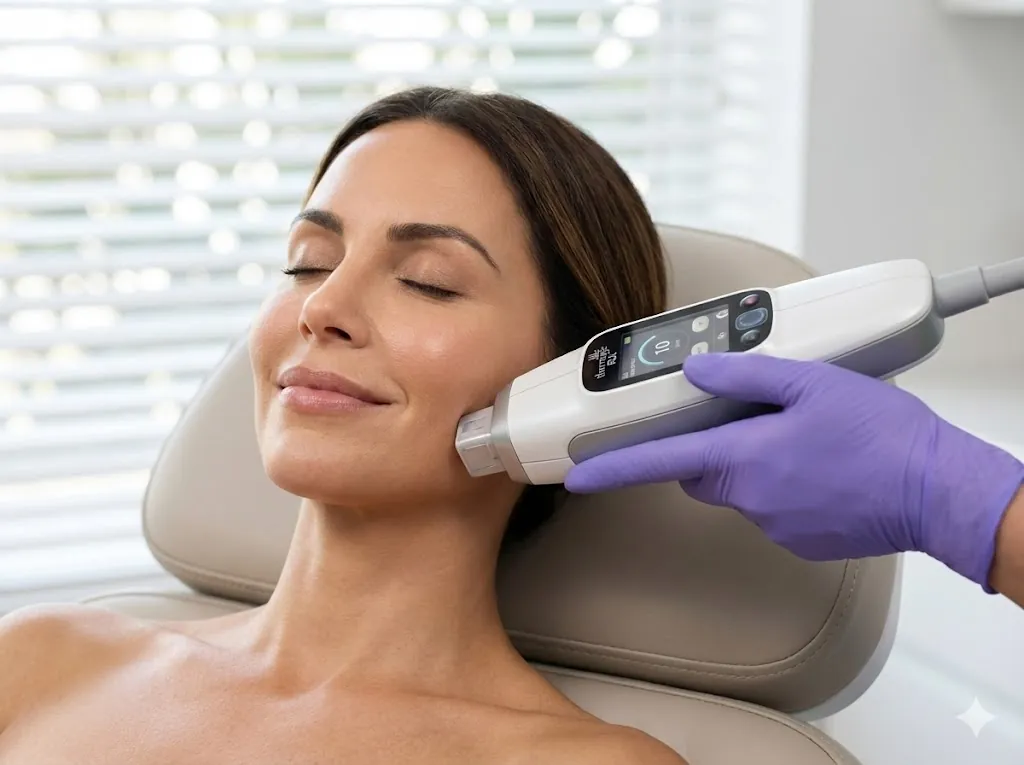
Microneedling operates on the principle of controlled physical trauma. By utilizing medical-grade, oscillating micro-needles, the procedure creates thousands of microscopic "channels" in the stratum corneum and dermis. These micro-channels serve two primary functions: the mechanical stimulation of fibroblasts and the creation of a temporary delivery system for topical agents.
The Three Phases of Wound Healing
- Inflammation Phase: Immediately following the creation of micro-injuries, platelets are activated, releasing chemotactic factors that include Platelet-Derived Growth Factor (PDGF) and Transforming Growth Factor-beta (TGF-β). This initial surge triggers the migration of neutrophils and monocytes.
- Proliferative Phase: Fibroblasts, the primary cells responsible for collagen production, migrate to the site of injury. These cells begin synthesizing new extracellular matrix (ECM) components, including Type III collagen, elastin, and glycosaminoglycans.
- Remodeling Phase: Over several months, the initial Type III collagen is replaced by more organized, stronger Type I collagen. This process, often called collagen induction, results in skin tightening and the reduction of scar tissue. At Richmond Anti-Aging Clinic (RAAC), we emphasize that the success of this biological cascade depends heavily on the health of the patient's skin and the precision of the device used. Book a Consultation to have your skin health assessed by our medical team.
What does the research say about microneedling?
Peer-reviewed studies report that microneedling increases collagen and elastin and can improve atrophic acne scars and texture, although results vary between individuals and depend on the number of sessions and the treatment plan.
The efficacy of microneedling is well-documented in peer-reviewed literature. When evaluating the procedure, it is important to look at the clinical data that supports its use for various indications:
- Aust et al., Plastic and Reconstructive Surgery: This seminal study demonstrated that microneedling leads to a significant increase in collagen and elastin deposition. Histological examinations showed a 140% increase in epidermal thickness and a dramatic upregulation of growth factors.
- Fabbrocini et al., Journal of Dermatological Treatment: Researchers found that microneedling is an exceptionally effective and safe treatment for atrophic acne scars. The study highlighted that the procedure maintains the integrity of the epidermis, which reduces the risk of post-inflammatory hyperpigmentation compared to ablative lasers.
- Hou et al., Dermatologic Surgery: This study explored the synergistic effects of microneedling and topical delivery. It confirmed that the micro-channels created during treatment significantly enhance the penetration of therapeutic molecules, underscoring why specific post-treatment skincare is vital for the best outcomes.
Who is a good candidate for microneedling?
Many skin types can be treated, but people with active acne, a tendency to keloid scarring or certain systemic medications need screening first, and needle depth is adjusted to each patient's skin type and concerns.
While microneedling is versatile, it is not a "one-size-fits-all" treatment. At RAAC, every patient undergoes a rigorous candidate evaluation. This process is overseen by Dr. Charles Jiang, a licensed physician with over 29 years of clinical experience. Dr. Jiang ensures that patients are screened for contraindications such as active acne, keloidal tendencies, or the use of certain systemic medications. Under his guidance, our clinic in Richmond ensures that the depth of the needles and the intensity of the treatment are customized to the patient’s Fitzpatrick skin type and specific concerns. This physician-led approach means treatments are overseen by a medical team, with a focus on safety and clinical care.
What skincare should you use after microneedling?
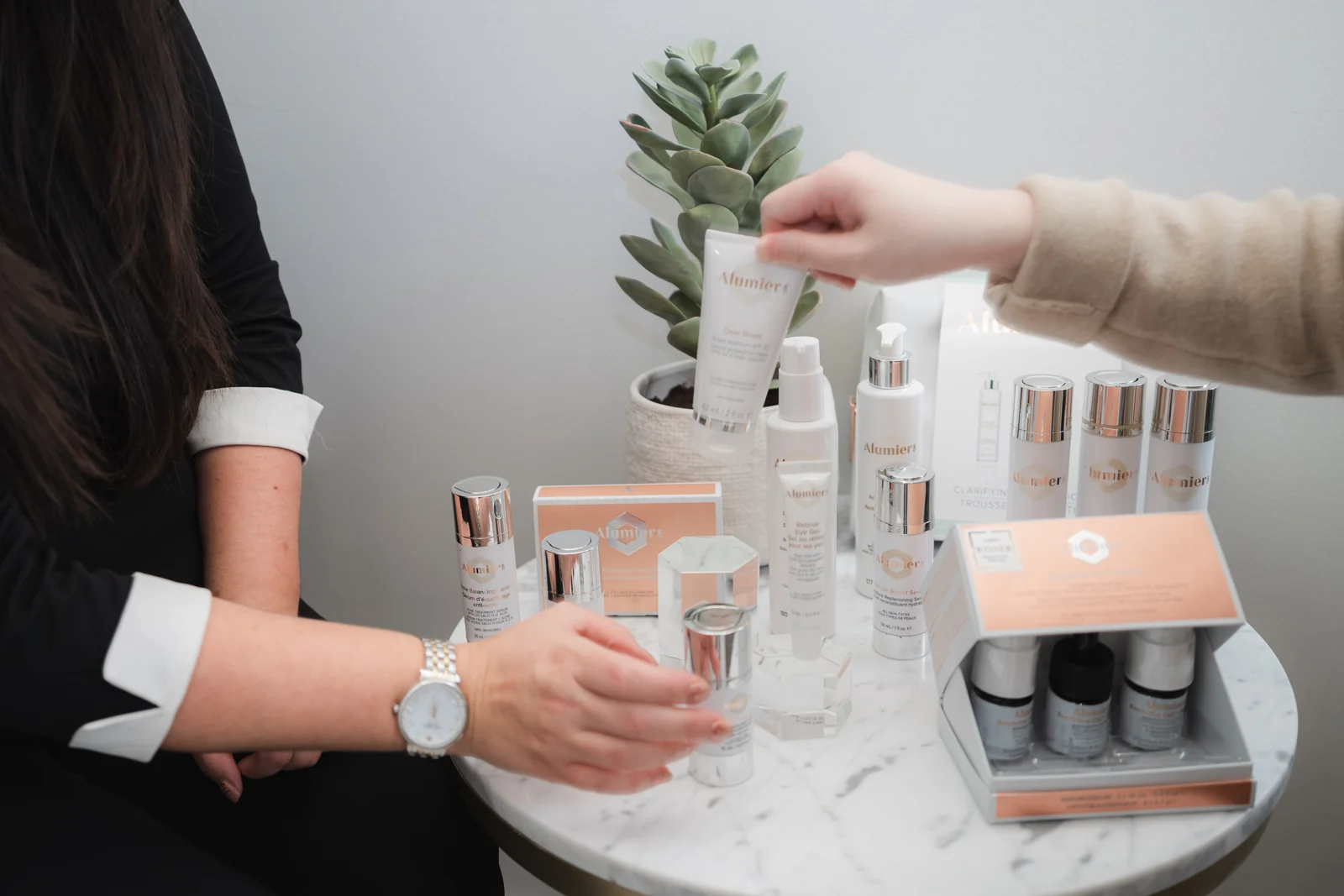
Focus on three things while the skin barrier recovers: gentle hydration such as hyaluronic acid, sun avoidance with a mineral sunscreen once the channels close, and a short break from retinoids, vitamin C and exfoliating acids.
The micro-channels created during skin needling remain open for a limited time—typically between 4 to 24 hours. This is known as the "channel window." During this time, the skin’s barrier function is temporarily compromised, making it both highly receptive to beneficial ingredients and vulnerable to irritants. Your post-treatment skincare should focus on three pillars:
- Hydration: Hyaluronic acid is a common choice during the first 24 hours to support cellular migration.
- Protection: Avoiding UV exposure and using non-chemical, mineral-based sunscreens once the channels have closed.
- Avoidance of Actives: Patients must pause the use of retinoids, Vitamin C (L-ascorbic acid), and exfoliating acids for 3-5 days to prevent granulomas or excessive inflammation. Following the aftercare plan closely helps protect the skin while it recovers.
How does microneedling compare with CO2 laser and chemical peels?
Microneedling works by mechanical micro-injury rather than heat or chemical exfoliation, and the table below shows it generally involves shorter downtime than fractional CO2 laser and suits a wider range of skin types.
| Feature | Microneedling (PCI) | Fractional CO2 Laser | Chemical Peels |
|---|---|---|---|
| Mechanism | Mechanical micro-injury | Thermal ablation | Chemical exfoliation |
| Downtime | 24-72 hours | 7-14 days | 3-10 days |
| Skin Type Suitability | All Fitzpatrick types | Limited for darker skin | Varies by peel depth |
| Primary Goal | Collagen induction/Scars | Deep wrinkles/Resurfacing | Pigmentation/Texture |
| Risk of PIH | Very Low | Moderate to High | Low to Moderate |
Why Choose Richmond Anti-Aging Clinic (RAAC)?
Choosing where to receive your treatment in the Greater Vancouver area is a significant decision. RAAC offers several features:
- Physician-Led Care: Dr. Charles Jiang provides medical oversight for all protocols, ensuring a level of safety that is paramount in medical aesthetics.
- Advanced Technology: We utilize medical-grade devices that offer precise depth control and minimize epidermal tearing.
- Personalized Treatment Plans: We don't believe in generic protocols. Your treatment is tailored to your unique skin anatomy.
- Bilingual Excellence: Our staff is fluent in both English and Chinese, ensuring clear communication and comfort for our diverse Richmond community. Every plan starts with a thorough initial assessment. Book a Consultation today to experience our professional approach.
What are the limits of microneedling, and who should avoid it?
While microneedling is highly effective for texture, fine lines, and scarring, it has limitations. It may not be the primary choice for significant skin laxity or deep dynamic wrinkles, where treatments like dermal fillers or radiofrequency-assisted needling might be more appropriate. Contraindications include:
- Active skin infections or herpes simplex in the treatment area.
- History of hypertrophic or keloid scarring.
- Recent use of Isotretinoin (within the last 6 months).
- Scleroderma or collagen vascular diseases.
Frequently Asked Questions
How many sessions are typically required?
Most clinical studies and our own experience at RAAC suggest a series of 3 to 6 treatments, spaced 4 to 6 weeks apart, to achieve significant collagen induction.
Is the procedure painful?
We apply a high-potency topical numbing cream prior to the procedure. The treatment may feel like a light sandpaper-like sensation or a mild vibration.
What should I expect during recovery?
Immediately after, the skin will appear similar to a moderate sunburn. Most redness subsides within 24 to 48 hours. Following our specific post-treatment skincare advice is essential during this time.
How much does microneedling cost?
Costs vary based on the area treated and whether growth factors or other serums are integrated. Contact us for current pricing.
Next Steps
Ready to begin your journey toward smoother, more resilient skin? The first step is a professional evaluation to ensure your skin is prepared for the induction process. Book your consultation today at our Richmond clinic. Our team, led by Dr. Charles Jiang, is here to guide you through every step of the process, from the first needle to the final result. Ready to See What Microneedling Can Do for You? Our medical team at Richmond Anti-Aging Clinic (RAAC) in Richmond is ready to create your personalized treatment plan. Book your consultation today — available in English and Chinese.
Disclaimer: This article is for educational purposes only and does not constitute medical advice. Please consult with a qualified healthcare professional before undergoing any treatment.