The Science of Vita Glow: A Deep Dive into Glutathione IV and Skin Brightening
When patients visit us at Richmond Anti-Aging Clinic (RAAC) in Richmond, BC, they are often seeking more than just a surface-level solution for skin dullness or hyperpigmentation. They are looking for a systemic approach to cellular health. The vita glow infusion is one of the most requested treatments for those pursuing a more even skin tone and a radiant complexion. However, to truly appreciate the benefits of this therapy, one must understand the complex biochemistry that occurs beneath the surface.
Learn more about Vita Glow IV to understand the basics of our treatment protocols before we dive into the clinical evidence.
The Biochemistry of the "Master Antioxidant"
At the heart of the Vita Glow protocol is glutathione, a tripeptide composed of three amino acids: cysteine, glutamic acid, and glycine. Often referred to as the body’s "master antioxidant," glutathione is found in high concentrations in nearly every cell in the human body. Its primary role is to protect cells from oxidative stress by neutralizing free radicals and reactive oxygen species (ROS).
In the context of aesthetics and skin brightening IV therapy, glutathione’s most significant mechanism of action is its influence on melanogenesis—the process by which the body produces melanin (pigment).
Mechanism of Action: The Melanogenic Switch
Melanin is produced by specialized cells called melanocytes. There are two primary types of melanin: eumelanin (dark brown to black pigment) and pheomelanin (yellow to red pigment). The ratio of these pigments determines an individual's skin tone and the visibility of hyperpigmentation.
Glutathione influences this process in three distinct ways:
- Inhibition of Tyrosinase: Tyrosinase is the rate-limiting enzyme in the production of melanin. Glutathione binds to the active site of tyrosinase, effectively blocking the enzyme's ability to catalyze the conversion of L-DOPA into melanin precursors.
- Quenching of Free Radicals: Oxidative stress, often caused by UV exposure or environmental pollutants, triggers melanocytes to produce more pigment as a defense mechanism. By neutralizing these free radicals, glutathione IV reduces the inflammatory signals that lead to overproduction of melanin.
- Switching the Pathway: Glutathione promotes the diversion of melanogenesis from the eumelanin pathway toward the pheomelanin pathway. By increasing the levels of cysteinyl-DOPA, the skin naturally produces lighter, warmer tones rather than the darker pigments associated with sun damage and melasma.
Clinical Evidence: What the Research Says
While anecdotal evidence from our clients in Richmond has been overwhelmingly positive, it is essential to look at the peer-reviewed literature regarding systemic glutathione and skin health.
- Arjinpathana et al., Journal of Dermatological Treatment: In a randomized, double-blind, placebo-controlled study, researchers found that oral glutathione significantly reduced melanin indices across various body sites compared to the placebo group. While this study focused on oral administration, it established the fundamental principle that increasing systemic glutathione levels can alter skin pigmentation.
- Handog et al., International Journal of Dermatology: This study explored the efficacy of glutathione in treating melasma and sun-induced hyperpigmentation. The findings suggested that glutathione’s ability to inhibit tyrosinase activity makes it a viable adjunct therapy for recalcitrant pigmentary disorders.
- Sonthalia et al., Indian Dermatology Online Journal: This comprehensive review highlighted glutathione’s role as a potent depigmenting agent. The authors noted that while oral and topical applications exist, intravenous (IV) delivery—like the vita glow protocol—bypasses the digestive system, potentially offering higher bioavailability for systemic effects.
Delivery Methods: Why IV Administration?
Many patients ask why they should choose a skin brightening IV over over-the-counter supplements. The answer lies in the "first-pass effect." When glutathione is taken orally, it is often broken down by enzymes in the stomach and liver before it can reach the bloodstream in therapeutic concentrations.
| Feature | Oral Glutathione | Topical Creams | Vita Glow IV (Intravenous) |
|---|---|---|---|
| Bioavailability | Low (degraded by digestion) | Localized only | High (100% absorption) |
| Systemic Effect | Minimal | None | Full-body distribution |
| Speed of Action | Slow (months) | Slow (weeks/months) | Moderate (sessions over weeks) |
| Physician Oversight | None | None | Required (at RAAC) |
By delivering the vita glow nutrients directly into the venous system, we ensure that the master antioxidant is immediately available to the cells, maximizing the potential for tyrosinase inhibition and cellular repair. Book a Consultation to discuss which delivery schedule is right for your skin goals.
Candidate Evaluation and Clinical Safety
At Richmond Anti-Aging Clinic (RAAC), patient safety is our paramount concern. Not every individual is an ideal candidate for glutathione IV therapy. This is why physician oversight is critical.
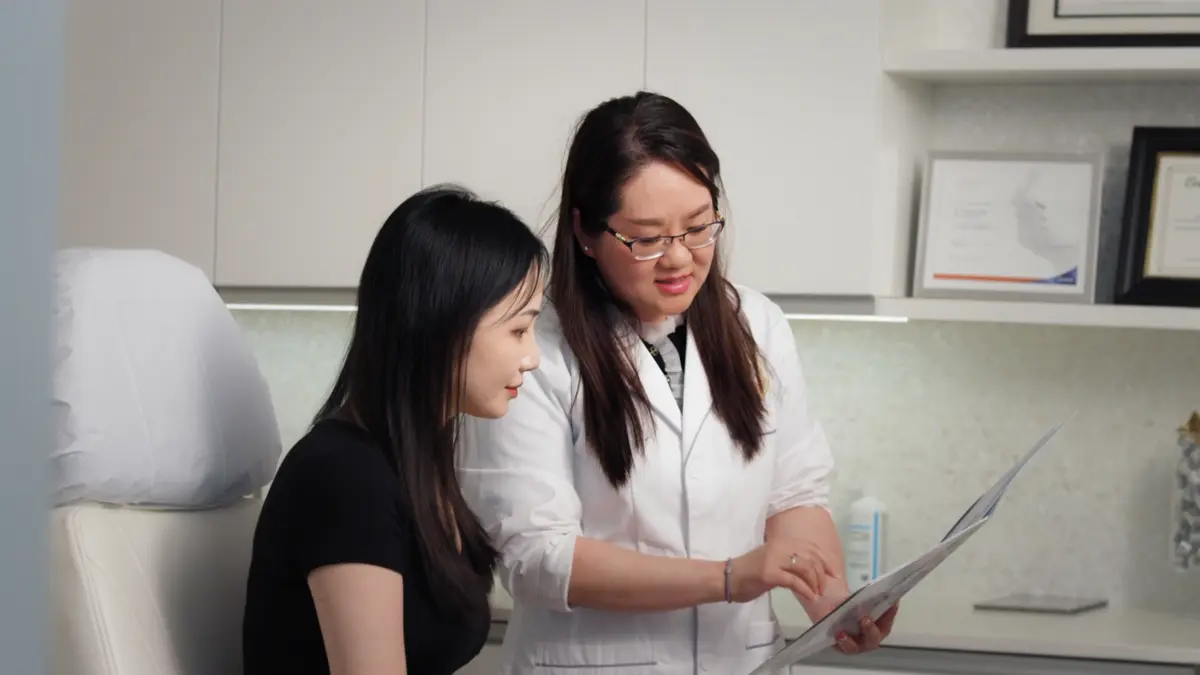
Dr. Charles Jiang, a CPSBC-registered physician with over 29 years of clinical experience, oversees the medical protocols at our Richmond clinic. During your initial evaluation, Dr. Jiang or our medical team will assess your medical history, looking for contraindications such as:
- Renal or Hepatic Impairment: Because the kidneys and liver process the nutrients delivered in the IV, these organs must be functioning optimally.
- G6PD Deficiency: A rare genetic condition that can lead to hemolytic anemia when exposed to high doses of certain antioxidants.
- Pregnancy and Nursing: We typically advise against elective IV therapy during these periods as a precautionary measure.
Individual results depend on several factors, including the baseline melanin index, lifestyle factors (such as sun exposure), and consistency of treatment. Many of our clients in Richmond have found that combining Vita Glow with professional-grade sun protection and topical antioxidants yields the most sustainable results.
The RAAC Experience: What to Expect
The process of receiving a vita glow infusion is designed to be both therapeutic and relaxing.
- Consultation: We begin with a comprehensive skin assessment and medical screening.
- Preparation: A customized blend of glutathione and high-dose Vitamin C (which acts synergistically to recycle glutathione) is prepared.
- Administration: The infusion typically takes 30 to 45 minutes. During this time, you can relax in our comfortable clinic environment.
- Aftercare: There is no downtime. Patients can return to their daily activities in Richmond immediately following the session.
Patients often tell us that they notice an improvement in their overall energy levels and skin clarity after a series of sessions. However, it is important to remember that Vita Glow is not a "one-and-done" solution. Maintaining results requires a commitment to skin health and ongoing maintenance sessions. Book a Consultation to create your long-term radiance plan.
Why Choose Richmond Anti-Aging Clinic (RAAC)?
Choosing a clinic for medical aesthetics is a decision that should be based on expertise and trust. Richmond Anti-Aging Clinic (RAAC) stands out in the Greater Vancouver area for several reasons:
- Physician-Led Care: Every treatment protocol is developed and overseen by Dr. Charles Jiang (CPSBC-registered), ensuring the highest standards of medical safety.
- Personalized Treatment Plans: We do not believe in a one-size-fits-all approach. Your vita glow frequency and formulation are tailored to your specific skin concerns.
- Advanced Technology: Our facility in Richmond is equipped with the latest medical technology to ensure comfort and efficacy.
- Bilingual Staff: To better serve our diverse community in Richmond, our team is fluent in both English and Chinese (Mandarin and Cantonese).
Frequently Asked Questions
How many sessions of Vita Glow do I need?
Most patients require an initial series of 5 to 10 sessions, typically spaced once or twice a week, to see visible changes in skin radiance. Maintenance sessions are recommended once a month thereafter.
Is glutathione IV safe?
When administered in a clinical setting under the supervision of a qualified physician like Dr. Charles Jiang, glutathione IV is generally considered safe. We use high-quality, medical-grade ingredients and follow strict sterile protocols.
Can Vita Glow treat melasma?
Vita Glow may help in the management of melasma by inhibiting the tyrosinase enzyme; however, melasma is a complex condition often driven by hormones. We frequently combine IV therapy with other modalities for the best results.
How much does Vita Glow IV cost?
Contact us for current pricing, as we offer various packages and combination treatments tailored to your needs.
Are the results permanent?
The skin brightening effects of glutathione are not permanent. Without maintenance and strict sun protection, the body will eventually return to its baseline melanin production levels.
Next Steps
If you are ready to explore how systemic antioxidant therapy can transform your skin from the inside out, the next step is a professional assessment. Our team will evaluate your skin type, discuss your goals, and ensure that you are a safe candidate for treatment.
Ready to See What Vita Glow IV Can Do for You? Our medical team at Richmond Anti-Aging Clinic (RAAC) in Richmond is ready to create your personalized treatment plan. Book your complimentary consultation today — available in English and Chinese.
Disclaimer: This article is for educational purposes only and does not constitute medical advice. Please consult with a qualified healthcare professional before undergoing any treatment.