If you have been researching non-surgical ways to soften expression lines, slim a jawline, or lift the brow, you have likely encountered the term neuromodulator injections Richmond BC. These treatments are among the most requested aesthetic procedures in Greater Vancouver, and for good reason: they are quick, minimally invasive, and can produce subtle, natural-looking changes when performed by a qualified clinician.
But what actually happens under the skin? Why do some people need more units than others? And how do you know if you are a good candidate? This article is an educational deep-dive into the science of neuromodulator injections. It is designed for the curious researcher, not the person ready to book — though when you are ready, our team at Richmond Anti-Aging Clinic (RAAC) is here to help. You can Learn more about Neuromodulator Injections on our treatment page, or continue reading to understand the mechanism, evidence, and candidacy criteria.
What Are Neuromodulator Injections?
Neuromodulator injections are a class of injectable treatments that temporarily reduce the activity of specific muscles. They contain a purified protein derived from the bacterium Clostridium botulinum. When injected in very small, controlled amounts into a targeted muscle, the protein blocks the release of acetylcholine — a neurotransmitter that tells the muscle to contract. The result is a temporary relaxation of that muscle, which can soften dynamic wrinkles (lines caused by repeated facial expressions) and, in some cases, reshape areas such as the jaw or brow.
It is important to note that these products are prescription medications. In Canada, they are regulated by Health Canada, and in the United States, by the FDA. Neither regulator endorses any specific clinic or practitioner; they review products for safety, efficacy, and quality. At RAAC, all injectable treatments are overseen by Dr. Charles Jiang, a licensed physician in British Columbia, ensuring that your care is medically supervised from consultation through follow-up.
Mechanism of Action: A Cellular and Biochemical Deep-Dive
To understand why neuromodulator injections work — and why they wear off — it helps to zoom in on the neuromuscular junction, the microscopic gap where a nerve ending meets a muscle fiber.
The Role of Acetylcholine
When your brain sends a signal to move a facial muscle, an electrical impulse travels down a motor neuron. At the nerve terminal, this impulse triggers the release of acetylcholine (ACh) into the synaptic cleft. Acetylcholine then binds to receptors on the muscle fiber, causing it to contract. This process is happening constantly as you smile, frown, squint, or raise your eyebrows.
How Neuromodulators Interrupt the Signal
Neuromodulator proteins act on the presynaptic side of this junction. Once injected, the protein is taken up by the nerve terminal. Inside the neuron, it cleaves a specific protein called SNAP-25, which is essential for the docking and release of acetylcholine-containing vesicles. Without functional SNAP-25, the nerve cannot release acetylcholine, and the muscle receives no signal to contract. The muscle becomes temporarily relaxed — not paralyzed, but significantly less active.
This is why neuromodulators are sometimes described as "muscle relaxers" rather than "fillers." They do not add volume; they reduce movement. The effect is temporary because the nerve terminal eventually sprouts new proteins and re-establishes communication with the muscle. This reversal typically occurs over a few months, which is why maintenance treatments are needed to sustain results.
Neuromodulator vs. Neurotransmitter: Clearing Up the Confusion
A common search query is neuromodulator vs neurotransmitter. The terms sound similar but describe different things:
- Neurotransmitters are chemical messengers (like acetylcholine, dopamine, or serotonin) that transmit signals across synapses.
- Neuromodulators are substances that influence how neurotransmitters work — they can enhance, inhibit, or otherwise modulate signaling.
In aesthetic medicine, the term "neuromodulator" is used loosely to describe injectable products that modulate nerve-to-muscle signaling. They are not neurotransmitters themselves; they are proteins that interfere with neurotransmitter release. Understanding this distinction helps clarify why these treatments affect movement rather than sensation or skin texture directly.
Clinical Evidence Summary
The use of botulinum toxin type A for aesthetic indications is supported by decades of peer-reviewed research. Here is a summary of key findings from the literature, with author and journal names for reference.
- Early clinical research — Early studies helped establish the safety and efficacy of botulinum toxin type A for glabellar lines (frown lines between the eyebrows). Their work demonstrated significant improvement in wrinkle severity compared to placebo, with effects lasting several months.
- Clinical research — Research has explored the use of botulinum toxin for masseter hypertrophy (enlarged jaw muscles). They found that targeted injections could reduce jaw width and create a slimmer facial contour in appropriately selected patients, with results developing gradually over weeks.
- Clinical research — Studies have investigated patient satisfaction and safety profiles across different neuromodulator formulations. Their findings suggested that while products may differ in onset time and diffusion characteristics, all can produce meaningful improvements in dynamic rhytids when administered by trained injectors.
- Clinical research — Work on immunogenicity and antibody formation provides important context for why some patients may experience reduced response over time. It highlights the value of conservative dosing and appropriate treatment intervals.
These studies, among many others, form the evidence base for modern neuromodulator use. However, individual results vary, and no treatment is universally effective. A thorough consultation with a licensed physician is essential to determine whether neuromodulator injections are appropriate for you.
Neuromodulators vs. Fillers: Different Tools for Different Goals
One of the most common questions we hear is neuromodulators vs fillers — what is the difference? The short answer is that they address different aspects of facial aging.
| Feature | Neuromodulators | Dermal Fillers |
|---|---|---|
| Primary action | Reduce muscle movement | Add volume or hydrate |
| Best for | Dynamic wrinkles (expression lines), jaw slimming, brow lift | Static wrinkles, volume loss, lip enhancement, contouring |
| Material | Purified protein (botulinum toxin type A) | Hyaluronic acid, calcium hydroxylapatite, etc. |
| Onset | A few days to two weeks | Immediate to several weeks |
| Duration | Typically 3–6 months | Typically 6–18 months, depending on product |
| Reversible? | Effects wear off naturally | Hyaluronic acid fillers can be dissolved |
In practice, many patients benefit from a combination approach, often called a "liquid lift." For example, neuromodulators can relax the frown lines while fillers restore volume in the cheeks. The key is to have a personalized plan that addresses your specific anatomy and goals.
Is neuromodulator a Neuromodulator?
Yes — neuromodulator is a neuromodulator. In fact, "neuromodulator" is a brand name for one specific formulation of botulinum toxin type A. Other formulations exist, such as neuromodulator. All are prescription medications and must be administered under medical supervision.
When people ask neuromodulator injections vs neuromodulator, they are often confused by the terminology. Think of it this way: "neuromodulator" is the category, and "neuromodulator" is one product within that category. At RAAC, we may offer different formulations based on your needs and our clinical assessment. We do not disclose specific brand names in this article to comply with advertising regulations, but you can discuss options during your consultation.
Candidate Evaluation Criteria
Not everyone is a suitable candidate for neuromodulator injections. During your consultation at Richmond Anti-Aging Clinic (RAAC), Dr. Charles Jiang or a trained injector will evaluate several factors:
1. Medical History
- Neuromuscular disorders (e.g., myasthenia gravis, Lambert-Eaton syndrome) may increase the risk of systemic effects.
- Allergies to any component of the formulation.
- Pregnancy or breastfeeding — neuromodulator injections are generally not recommended during these periods.
- Active infection at the injection site.
2. Anatomical Considerations
- Muscle strength and pattern — some people have asymmetrical muscle activity that requires tailored dosing.
- Skin quality — neuromodulators work best on dynamic wrinkles; static wrinkles may need a different approach.
- Facial proportions — for jaw slimming, the size and shape of the masseter muscle matter.
3. Goals and Expectations
- Are you looking for a subtle softening or a more dramatic change?
- Do you understand that results are temporary and require maintenance?
- Are you comfortable with the possibility of minor bruising or swelling?
4. Age and Prevention
There is no strict age limit, but neuromodulators are typically used in adults. Some younger adults seek treatment to prevent deep lines from forming, while older adults may use them to soften existing wrinkles. The decision should be based on your individual situation, not a number.
Treatment Process: Step by Step
If you and your clinician decide to proceed, here is what you can expect:
- Consultation and facial assessment — Your injector will analyze your facial expressions, muscle activity, and symmetry. They will discuss your goals and answer any questions.
- Mapping and marking — The injection points are carefully mapped to target specific muscles while avoiding nearby structures.
- Cleansing and preparation — The skin is cleansed, and a topical anesthetic may be applied if needed (though many patients find the injections comfortable without it).
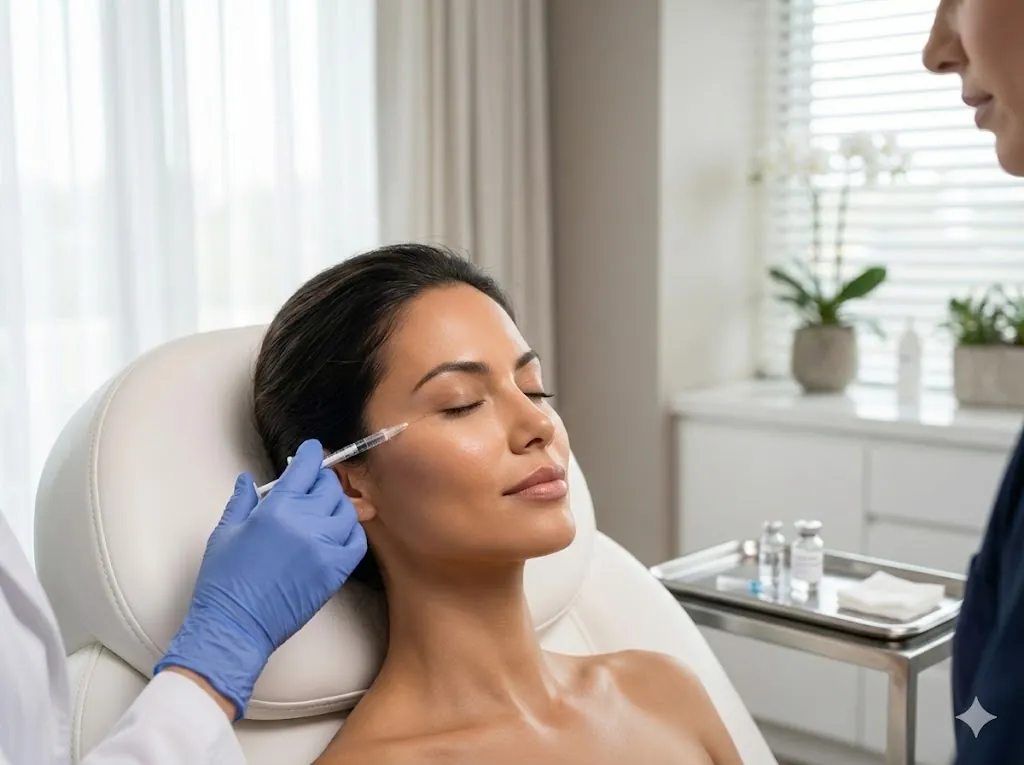
- Injection — Using a fine needle, the neuromodulator is injected into the targeted muscles. The process usually takes only a few minutes.
- Post-treatment care — You will receive aftercare instructions, such as avoiding strenuous exercise and lying flat for a few hours. You can return to most normal activities immediately.
Expected Timeline and Results
- Onset: You may start to notice effects within 3–7 days, with full results appearing around 10–14 days.
- Peak effect: Usually at 2–4 weeks.
- Duration: Typically 3–6 months, depending on the product, dose, and your metabolism.
- Maintenance: Many patients schedule follow-up treatments every 3–6 months to maintain their results.
Individual results vary. Some people may experience a longer or shorter duration, and the degree of improvement depends on factors such as muscle strength and the area treated.
Limitations and Contraindications
Neuromodulator injections are not a solution for all types of wrinkles or facial concerns. Limitations include:
- Static wrinkles that are present at rest may not improve significantly without additional treatments.
- Volume loss requires fillers or other modalities.
- Skin laxity may need energy-based devices or surgery.
- Contraindications include active infection, known hypersensitivity, pregnancy, breastfeeding, and certain neuromuscular disorders.
Potential side effects are usually mild and temporary. They may include bruising, swelling, redness at the injection site, headache, or a brief feeling of heaviness. In rare cases, the effect can spread to nearby muscles, causing temporary eyelid drooping or asymmetry. Choosing an experienced injector and following aftercare instructions can help minimize these risks.
Why Choose Richmond Anti-Aging Clinic (RAAC)?
At RAAC, we take a physician-led approach to aesthetic medicine. Our clinic is located in Richmond, BC, and serves patients from Greater Vancouver, including Vancouver and Surrey.
- Physician oversight: Dr. Charles Jiang, a licensed physician in British Columbia, leads our medical team. He reviews treatment plans and ensures that all procedures meet clinical safety standards.
- Advanced technology: We use modern injection techniques and adhere to stringent hygiene protocols.
- Personalized treatment plans: No two faces are the same. We tailor every treatment to your anatomy, goals, and comfort level.
- Bilingual staff: Our team speaks English and Chinese, making it easy for you to communicate your concerns and ask questions.
We do not make exaggerated claims or promises. Our goal is to provide honest, evidence-based care that helps you look and feel your best.
Frequently Asked Questions
Comparing neuromodulator formulations: which is right for you?
Different formulations of botulinum toxin type A have slightly different properties. Some may spread a bit more, others may have a faster onset. The "right" one depends on your facial anatomy, the area being treated, and your injector's experience. During your consultation, we can discuss which option may suit you best.
How many units do you need?
The number of units varies widely based on the treatment area, muscle strength, and your individual response. For example, treating frown lines might require a different dose than slimming the jaw. Your injector will determine the appropriate dose after assessing your muscle activity. Never compare your dose to someone else's — it is not a one-size-fits-all situation.
Which is right for you?
This is a personal decision that depends on your goals, medical history, and preferences. A consultation with a licensed physician is the best way to determine whether neuromodulator injections are appropriate for you and which areas to prioritize.
When should you start?
There is no universal "right age" to start. Some people begin in their late 20s or early 30s as a preventive measure, while others start later. The key is to start when you have realistic expectations and a clear understanding of the commitment involved.
Ready for natural, refined results?
If you are considering neuromodulator injections, the first step is a consultation. Our team at Richmond Anti-Aging Clinic (RAAC) can assess your needs and create a plan that aligns with your goals. Book a Consultation to get started.
Will switching to a different formulation change my side effect risk?
Switching formulations may alter your response, including side effect profile. Some products have different diffusion characteristics, which can affect the likelihood of nearby muscle involvement. Your injector will consider your history and choose a product that balances efficacy and safety.
Application of neuromodulator injection therapy in male sexual dysfunction: where are we now?
Research into neuromodulator injections for male sexual dysfunction is an emerging area. Some studies have explored their use in conditions like premature ejaculation, but this is not an approved aesthetic indication and requires specialized medical evaluation. At RAAC, we focus on aesthetic applications. If you have questions about other uses, please consult with a qualified specialist.
Is the neuromodulator injection treatment only for people with ed?
No. Neuromodulator injections are primarily used for aesthetic purposes, such as reducing facial wrinkles, slimming the jaw, or lifting the brow. They are not a treatment for erectile dysfunction. Any claims about sexual dysfunction treatment are outside the scope of aesthetic practice and should be discussed with a medical specialist.
Next Steps
If you have read this far, you are likely serious about exploring neuromodulator injections. The next step is to schedule a consultation at Richmond Anti-Aging Clinic (RAAC) in Richmond, BC. During your visit, we will review your medical history, assess your facial anatomy, and discuss your goals. You will have the opportunity to ask questions and receive a personalized treatment plan. There is no pressure to proceed — our priority is to ensure you are fully informed.
Ready to See What Neuromodulator Injections Can Do for You?
Our medical team at Richmond Anti-Aging Clinic (RAAC) in Richmond is ready to create your personalized treatment plan. Book a consultation — available in English and Chinese.
This article is for educational purposes only and does not constitute medical advice. Please consult with a qualified healthcare professional before undergoing any treatment.