Ultherapy is a non-surgical skin-tightening treatment that uses focused ultrasound energy to stimulate collagen production in deeper skin layers. It is used to address mild to moderate skin laxity on the face, neck, and décolletage, and is often referred to as a non-invasive lifting option. If you are considering Ultherapy, understanding what it is, how it works, and what to expect can help you decide whether it fits your goals.
At Richmond Anti-Aging Clinic (RAAC) in Richmond, BC, Ultherapy is offered as part of a physician-led approach to facial rejuvenation. This guide explains the treatment in plain language so you can have a more informed conversation at your consultation.
How Does Ultherapy Work?
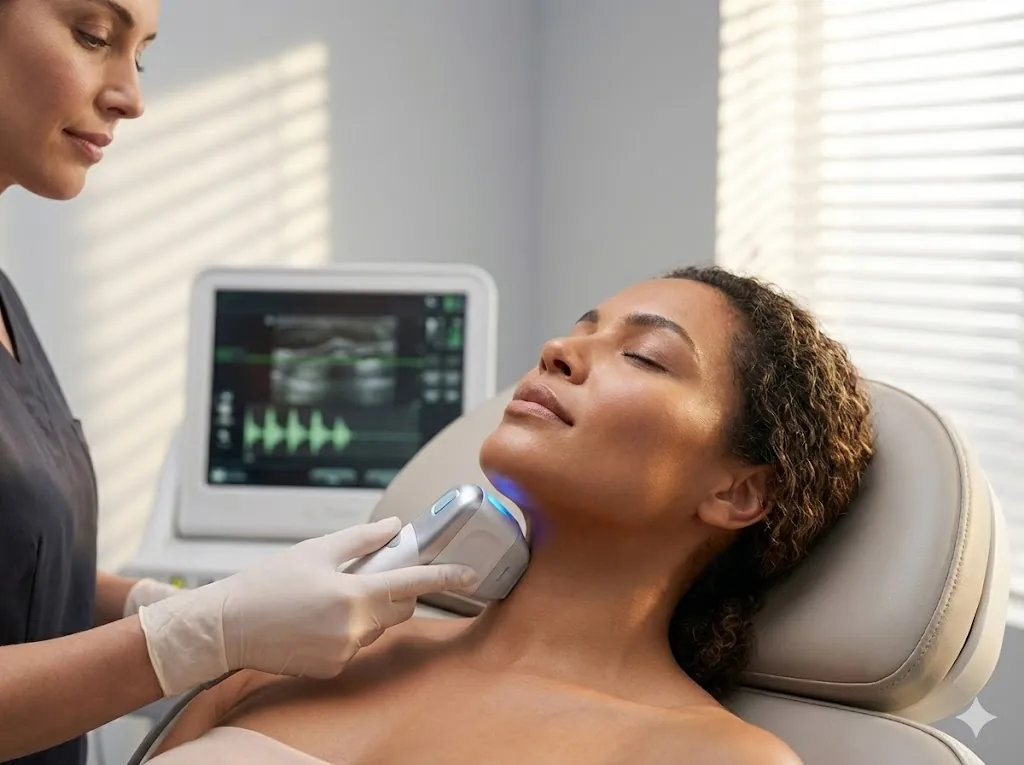
Ultherapy uses microfocused ultrasound energy. The device delivers ultrasound energy at specific depths beneath the skin surface, where it can create small thermal coagulation points. This controlled heating is thought to trigger the body's natural collagen remodeling process. Over time, new collagen may help improve skin firmness and texture.
A key feature of Ultherapy is that it allows the practitioner to visualize the tissue layers beneath the skin during treatment using ultrasound imaging. This helps guide where energy is delivered. The treatment is typically performed on the face, neck, and under the chin, and there is also a body applicator used for areas such as the abdomen or arms, often referred to as Ultherapy body.
It is important to note that Ultherapy is not a surgical facelift and does not remove excess skin. Results are gradual and vary from person to person.
Who Is Ultherapy For?
Ultherapy may be suitable for adults who have mild to moderate skin laxity and who want a non-surgical option to help improve skin firmness. It is not intended for people with severe skin sagging, and it is not a weight-loss treatment.
Good candidates often include people who:
- Notice early signs of sagging on the brow, jawline, or neck
- Want to address crepey skin on the décolletage
- Prefer a non-invasive approach with little to no downtime
- Have realistic expectations about gradual, subtle changes
Suitability is always assessed by a physician. At RAAC, Dr. Charles Jiang, a licensed physician in British Columbia, evaluates each patient's skin, medical history, and goals before recommending any treatment. This helps determine whether Ultherapy is appropriate or whether another option may be a better fit.
What Happens During an Ultherapy Session?
A typical Ultherapy session at our clinic follows a structured process:
- Consultation and assessment – Your physician reviews your goals, medical history, and skin condition. They may use ultrasound imaging to assess tissue layers and discuss expected outcomes.
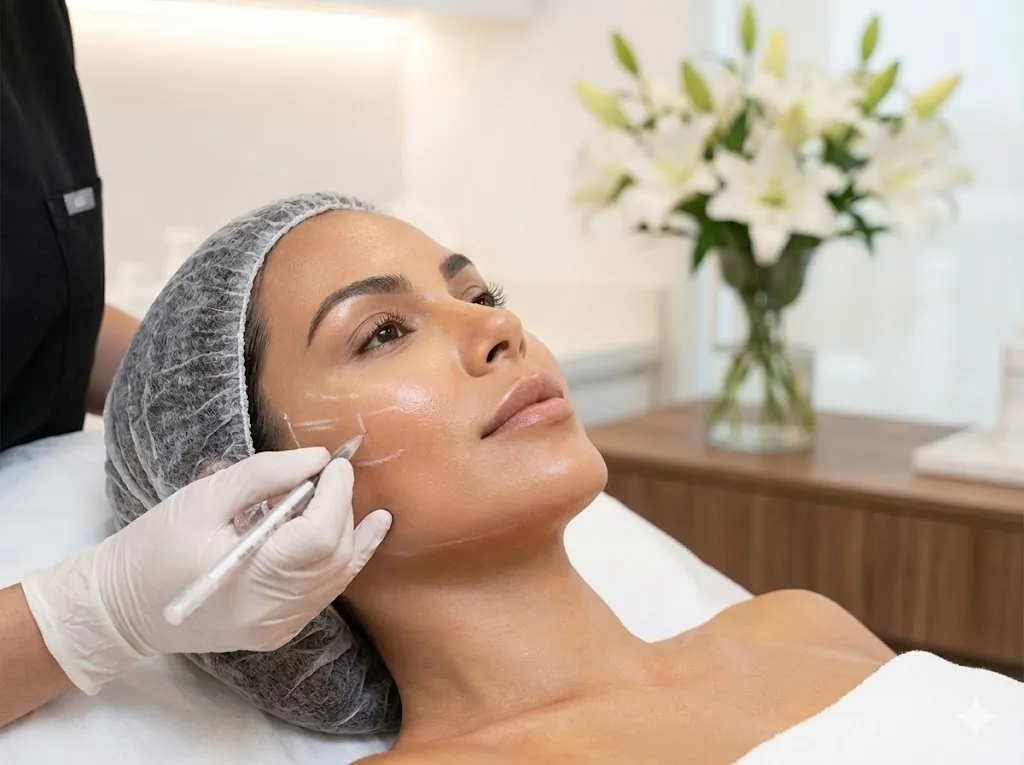
- Preparation – The treatment area is cleansed. A topical numbing cream may be applied to improve comfort. The skin is then marked to guide treatment.
- Ultrasound delivery – A handpiece is placed against the skin, and ultrasound energy is delivered in targeted pulses. You may feel warmth or a prickling sensation. The practitioner adjusts settings based on your feedback and the imaging.
- Post-treatment care – The skin is cleaned, and aftercare instructions are provided. Most people can return to normal activities right after the session, though mild redness or swelling may occur.
Session length depends on the areas treated. A face and neck treatment may take around 60 to 90 minutes, while a smaller area may take less time. Your clinician will give you a more precise estimate.
Recovery and Aftercare
One reason people consider Ultherapy is that it is non-surgical and typically involves minimal downtime. You may experience temporary redness, mild swelling, or tenderness in the treated area. These effects usually resolve on their own within a few days to a week.
Aftercare generally includes:
- Keeping the skin moisturized
- Avoiding strenuous exercise or heat exposure for a short period as advised
- Using sun protection
- Following any specific instructions from your clinician
If you have questions about recovery, your care team can provide guidance based on your treatment plan.
When Will You See Results?
Ultherapy results are not immediate. Because the treatment works by stimulating collagen remodeling, changes tend to appear gradually over weeks to months. Some people notice mild tightening soon after, but the more visible effects typically develop as new collagen forms. Results vary, and individual outcomes depend on skin condition, age, lifestyle, and other factors.
Maintenance sessions may be recommended to help sustain results over time. Your physician will discuss a realistic timeline and whether additional treatments are appropriate for you.
How Does Ultherapy Compare to RF Treatments?
If you are researching alternatives, you may have come across radiofrequency (RF) treatments. Both Ultherapy and RF-based treatments aim to improve skin firmness, but they use different energy types and work at different depths.
- Ultherapy uses focused ultrasound, which can target deeper layers with imaging guidance.
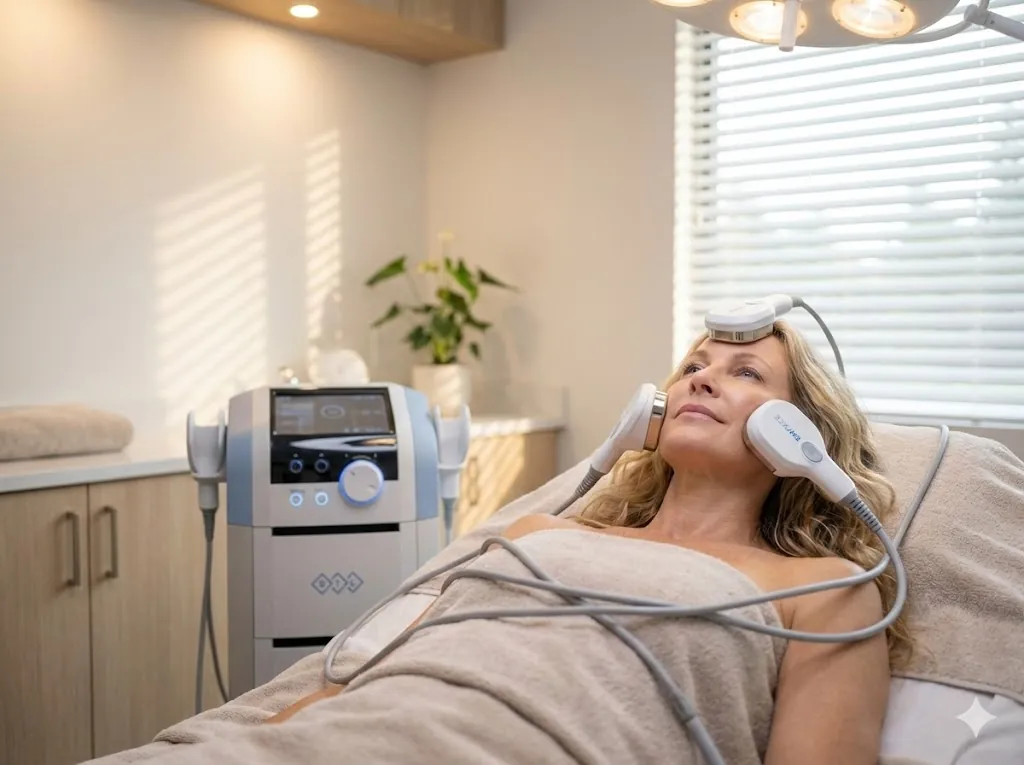
- RF treatments use radiofrequency energy to heat tissue, often at more superficial depths, and may be combined with microneedling.
Some people ask, "what's better than Ultherapy?" or "what is better than Ultherapy?" The answer depends on your goals, skin condition, and comfort level. There is no single best option for everyone. A physician can help you compare Ultherapy vs RF and other modalities based on your needs.
You may also hear about Profound RF vs Ultherapy. Profound RF is a radiofrequency microneedling treatment that is sometimes discussed as an alternative. It is important to note that RAAC offers Ultherapy and other selected treatments; not all devices are available at every clinic. During your consultation, we can explain which options are offered at our clinic and how they compare.
Similarly, XTherma vs Ultherapy is another comparison some patients encounter. XTherma is a monopolar RF treatment. As with any comparison, the right choice depends on individual factors, and a physician assessment is the best way to determine suitability.
Comparison Table
| Feature | Ultherapy | RF Treatments (general) |
|---|---|---|
| Energy type | Focused ultrasound | Radiofrequency |
| Depth | Can target deeper layers with imaging | Varies by device; often more superficial |
| Common areas | Face, neck, décolletage, body | Face, neck, body |
| Downtime | Typically minimal | Varies; some may have more downtime |
| Results timeline | Gradual over weeks to months | Gradual; varies by device |
| Comfort | May involve discomfort; numbing used | Varies |
This table is a general comparison. It is not a recommendation, and individual results vary.
What Is Ultherapy Prime?
You may see references to "Ultherapy Prime" or ask "what is Ultherapy Prime?" Ultherapy Prime is a newer version of the Ultherapy device. It is designed to offer similar ultrasound-based treatment with updated features. If you are wondering "Ultherapy Prime是什么" (what is Ultherapy Prime in Chinese), it refers to the same treatment concept: focused ultrasound for non-surgical skin tightening. Our clinic can confirm which device version is used and discuss whether it is appropriate for you.
Why Choose Richmond Anti-Aging Clinic (RAAC)?
At RAAC, our approach is physician-led. Dr. Charles Jiang, a licensed physician in British Columbia, oversees assessments and treatment planning. We focus on personalized care, advanced technology, and a comfortable experience. Our team is bilingual in English and Chinese, which can help ensure clear communication throughout your visit. We are located in Richmond, BC, and serve patients from Richmond and the Greater Vancouver area.
We aim to provide honest information and individualized care so you can make an informed decision.
Frequently Asked Questions
What's better than Ultherapy?
There is no single treatment that is better for everyone. Options such as RF microneedling, other ultrasound devices, or surgical lifting may be considered depending on your goals and skin condition. A physician can help you compare alternatives.
Ultherapy是什么?
Ultherapy是一种非手术超声紧肤治疗,利用聚焦超声波刺激胶原蛋白,改善面部、颈部和身体的皮肤松弛。
超声刀是什么?
超声刀是Ultherapy的中文俗称,指利用超声波能量进行非侵入性皮肤提升的治疗。
What is Ultherapy?
Ultherapy is a non-surgical treatment that uses focused ultrasound energy to stimulate collagen and improve skin firmness.
Ultherapy 是什么?
Ultherapy 是一种非侵入性皮肤紧致疗程,通过超声波能量作用于皮肤深层,帮助改善松弛。
What is Ultherapy Prime?
Ultherapy Prime is a newer version of the Ultherapy device, designed for ultrasound-based skin tightening. Ask your clinician for details.
How does it compare to Ultherapy?
When comparing other treatments to Ultherapy, consider energy type, depth, downtime, and results timeline. A consultation can clarify which option suits you.
Ultherapy Prime是什么?
Ultherapy Prime是Ultherapy设备的新版本,同样利用超声波技术进行非手术紧肤。
Next Steps
If you are considering Ultherapy, the next step is a consultation. Our team can assess your skin, answer your questions, and help you decide whether Ultherapy or another option is right for you. Book a consultation to get started.
Ready to See What Ultherapy Can Do for You?
Our medical team at Richmond Anti-Aging Clinic (RAAC) in Richmond is ready to create your personalized treatment plan. Book a consultation — available in English and Chinese.
This article is for educational purposes only and does not constitute medical advice. Please consult with a qualified healthcare professional before undergoing any treatment.