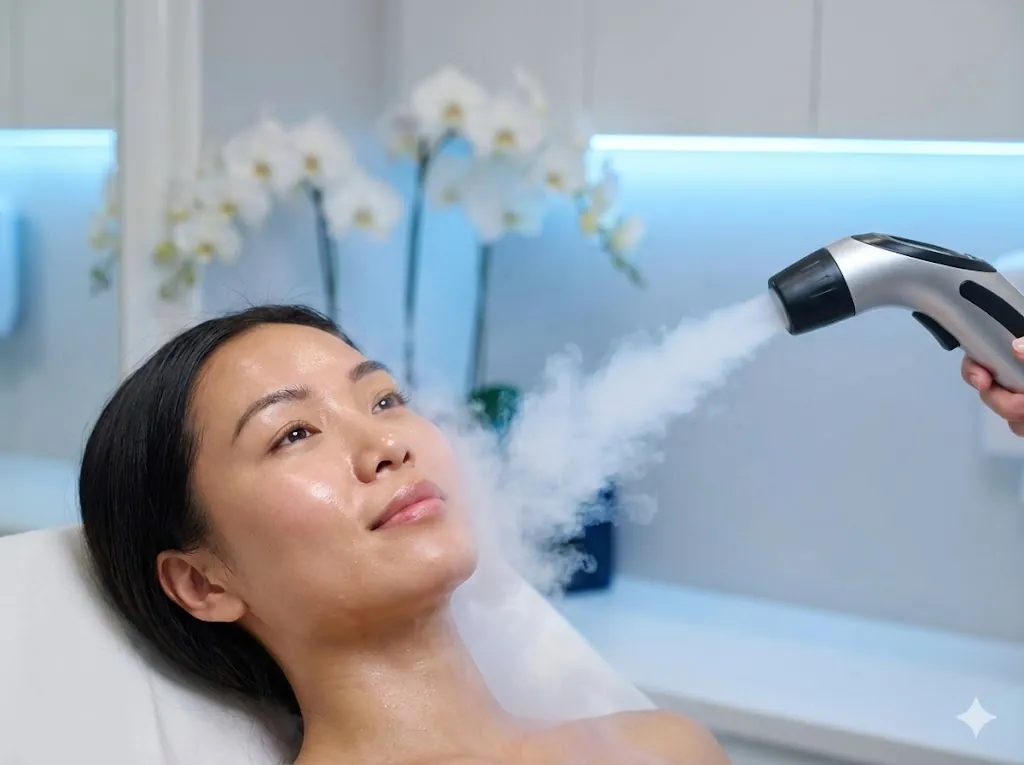
This article is about cold applied to facial skin, sometimes called a cryo facial: what it can and cannot do for redness, puffiness and ageing skin, and who should avoid it. Briefly cooling the skin narrows and then reopens blood vessels, which may calm redness and give a temporary fresher look; it does not replace treatments that rebuild collagen. At RAAC, medical cryotherapy means liquid nitrogen for benign skin growths after a doctor's check. For cold chambers instead, see Whole body cryotherapy.
What RAAC offers is covered on two treatment pages: medical cryotherapy for benign skin growths, and Soothing Postcare for calming red or sensitive skin.
How does cryotherapy work on the skin?
Briefly cooling the skin makes the small blood vessels near the surface narrow; when the cold is removed they widen again, and blood flow to the area rises for a while.
That short-term response is what people notice afterwards: skin can look less puffy and, once the first pinkness settles, a little fresher or brighter. These effects are temporary. Research on facial cold treatments specifically is limited, and it does not show that they build collagen, reduce inflammation elsewhere in the body or repair the skin barrier in a lasting way; results vary.
What can cold do for the skin, and what can't it do?
What it may do:
- Temporarily reduce puffiness, for example around the eyes
- Briefly calm the look of redness or heat in the skin
- Leave skin feeling cool and looking fresher for a short time
What it does not do:
- Rebuild collagen or firm the skin the way collagen-stimulating treatments aim to
- Remove wrinkles, scars or pigmentation
- Treat skin conditions such as rosacea or acne, which should be assessed by a doctor
Cold can also cause problems: very cold application can irritate or injure the skin, and some people with rosacea find that temperature changes trigger flushing.
How does a cryo facial compare with a traditional facial or chemical peel?
A cryo facial relies on controlled cold rather than extraction or acids, so it is generally soothing with little recovery time, while a chemical peel targets texture and pigment but can mean several days of peeling.
This general comparison shows how cold applied to the skin differs from other facial treatments:
| Feature | Cryotherapy (Cryo-Facial) | Traditional Facial | Chemical Peel |
|---|---|---|---|
| Primary Mechanism | Controlled Cold Exposure | Manual Extraction/Topicals | Chemical Exfoliation |
| Downtime | Minimal | Minimal | 3-7 Days |
| Skin Sensitivity | Low (Soothing) | Variable | High (Initially) |
| Mainly Used For | Temporary calming and de-puffing | Deep Cleansing | Texture & Pigment |
| Sensation | Refreshing Cold | Relaxing/Varies | Tingling/Stinging |
What does RAAC offer?
RAAC does not list a cryo facial among its treatments, so this article describes cold skin treatments in general rather than a service we provide.
At RAAC, medical cryotherapy means applying liquid nitrogen to an individual benign skin growth, such as a skin tag, wart or sun spot, after a doctor has examined it. It is a different procedure from a cryo facial: it freezes and destroys the growth rather than cooling the whole face.
For skin that is red, warm or sensitive after a laser or energy treatment, RAAC offers Soothing Postcare, which combines cooling, LED light and calming skincare; results vary.
What does a cryo facial usually involve?
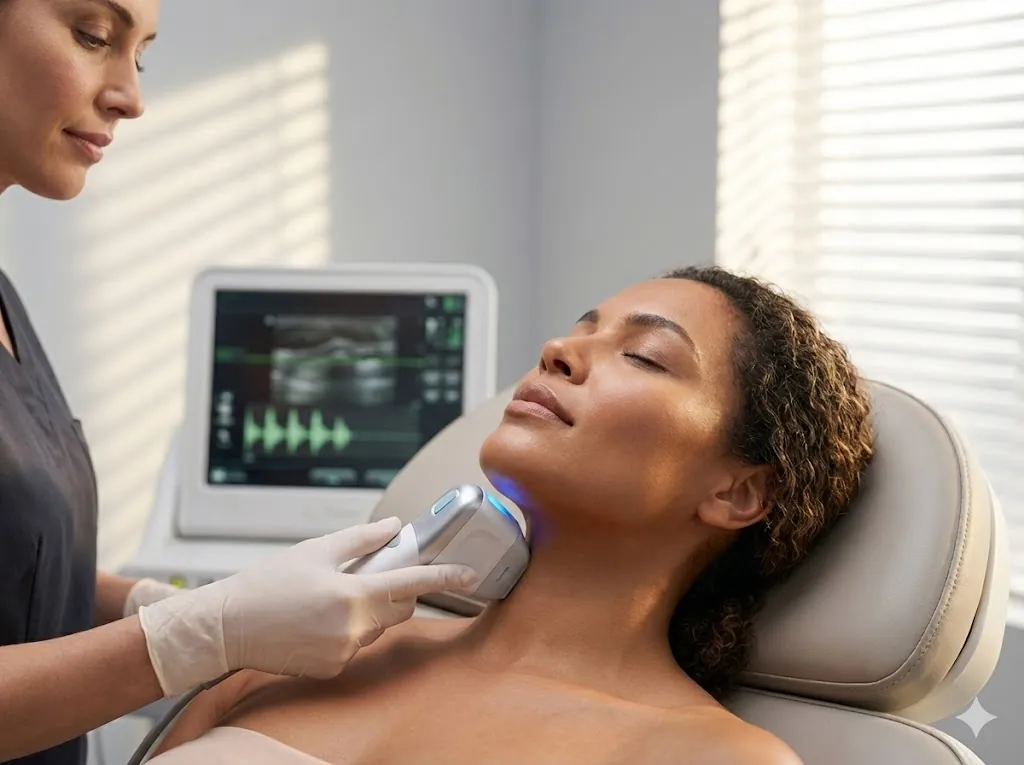
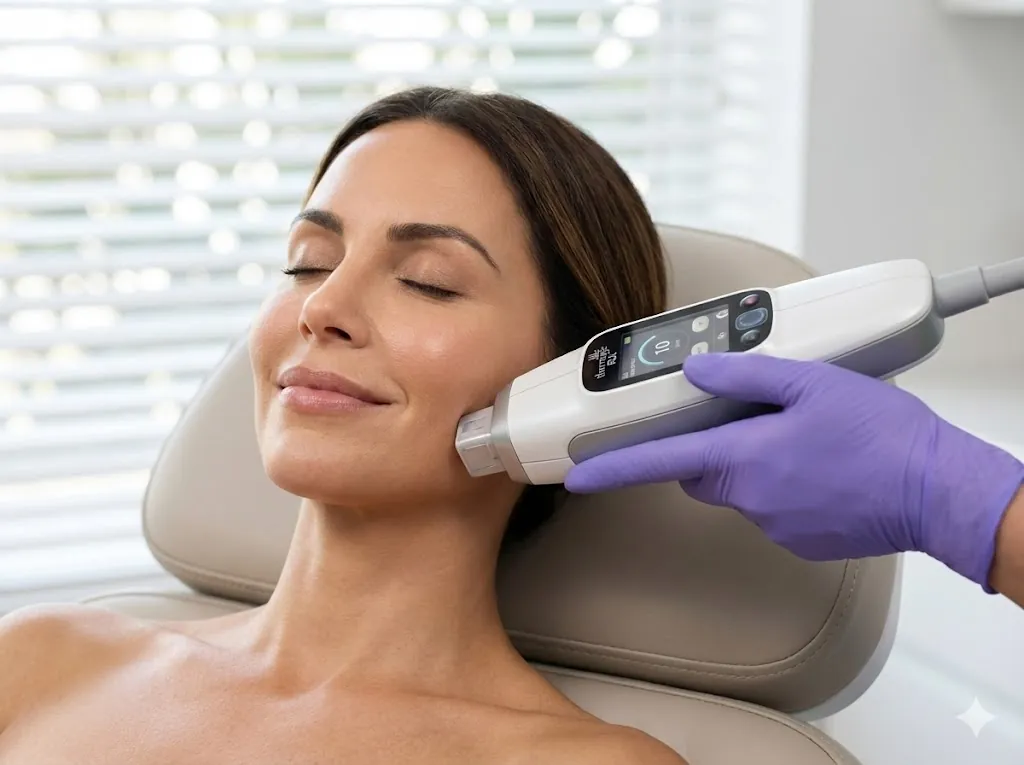
Where cryo facials are offered, a session generally starts with cleansing; a stream of cold air or a chilled metal tool is then moved across the face for a few minutes, and a moisturizer is applied afterwards. Most people describe an intense but short-lived chill, and temporary redness is common. This is a general description, not a RAAC treatment protocol.
Frequently Asked Questions
1. Does RAAC offer cryo facials?
RAAC does not list a cryo facial. Medical cryotherapy at RAAC means liquid nitrogen for benign skin growths after a doctor's examination; see cryotherapy.
2. Who might consider a cold facial treatment?
People looking for a short-term reduction in puffiness or a temporarily fresher look. It is not a substitute for treatments aimed at wrinkles, laxity, scarring or pigmentation.
3. What are the possible benefits?
Cold may briefly reduce facial swelling and puffiness and make skin look brighter for a short time. Evidence on pores, collagen and longer-term skin changes is limited.
4. Can cryotherapy improve skin conditions?
Cold can temporarily calm the look of redness, but evidence for treating rosacea or acne with cryo facials is limited, and temperature changes can trigger flushing in some people with rosacea. Skin conditions should be assessed by a doctor.
5. Do people feel more energized afterwards?
Some people report feeling more alert after cold exposure; evidence for this is limited.
6. How quickly do effects show, and how long do they last?
Any de-puffing or brighter look is usually noticed straight away and fades within hours to a day. There is little evidence that repeated sessions build collagen.
7. Who should avoid cold treatments on the skin?
People with Raynaud's disease, cold urticaria (cold-induced hives), severe cold sensitivity or certain circulation problems should avoid them, and anyone with a skin condition or broken skin should ask a doctor first.
Next Steps
If you have a skin tag, wart or sun spot you would like checked, RAAC's doctor can examine it and explain whether liquid-nitrogen cryotherapy is suitable. For calming red or sensitive skin after a clinic treatment, see Soothing Postcare. You can book a consultation — available in English and Chinese.
Disclaimer: This article is for educational purposes only and does not constitute medical advice. Please consult with a qualified healthcare professional before undergoing any treatment. Individual results depend on various factors and may vary from person to person.