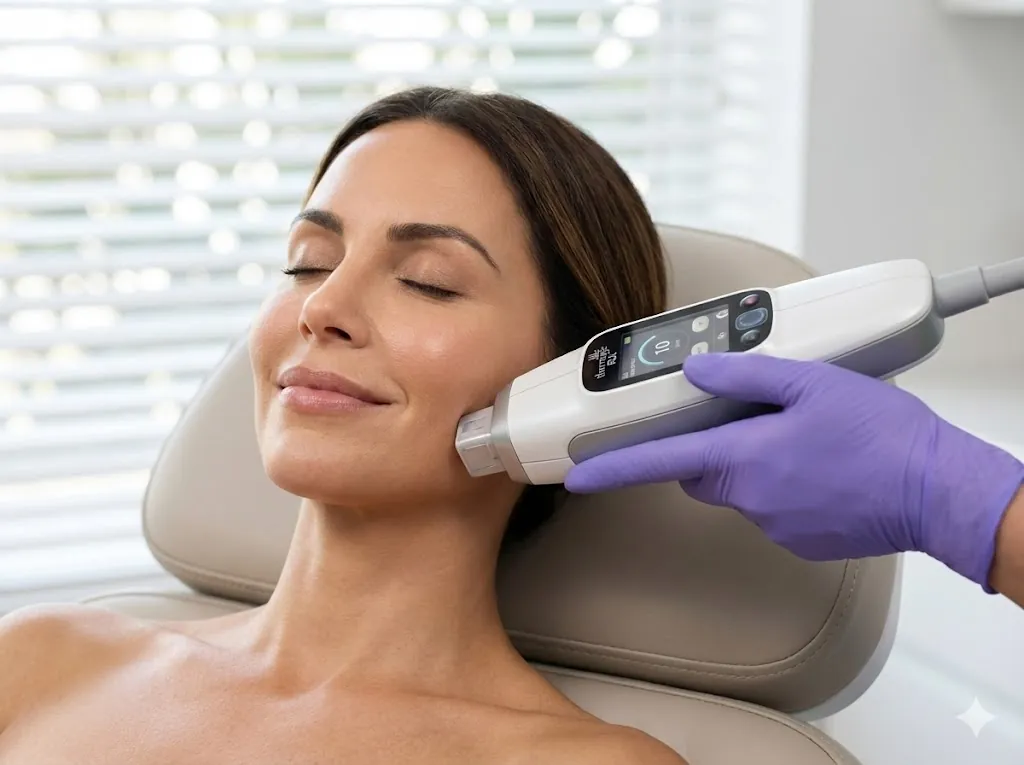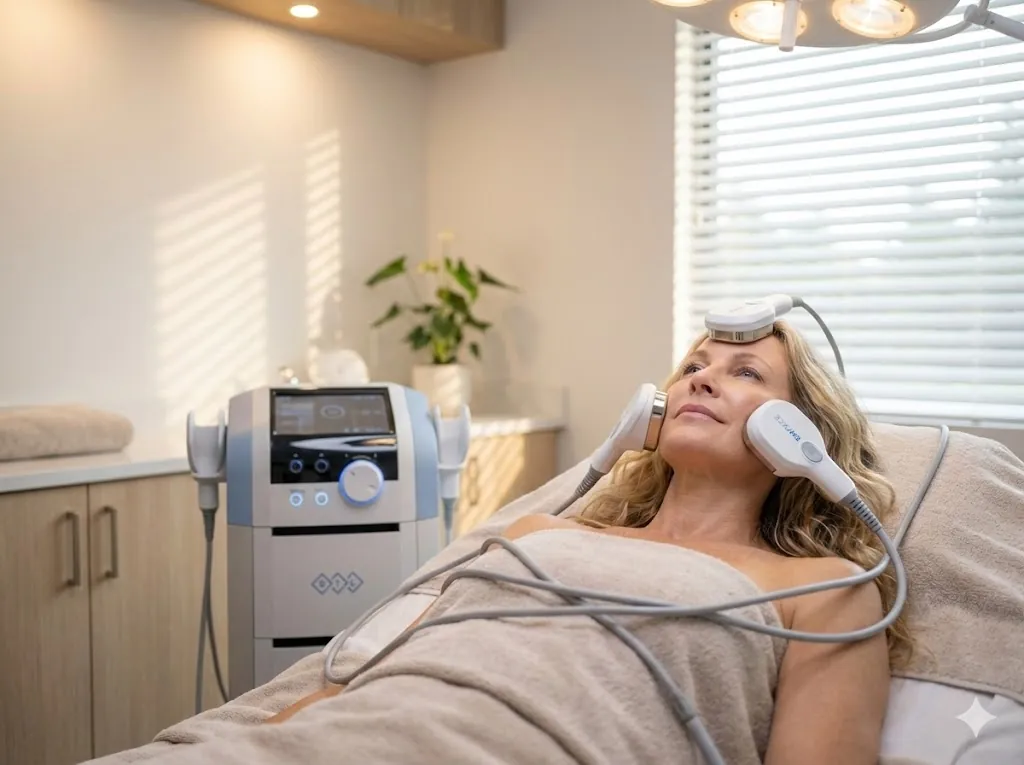
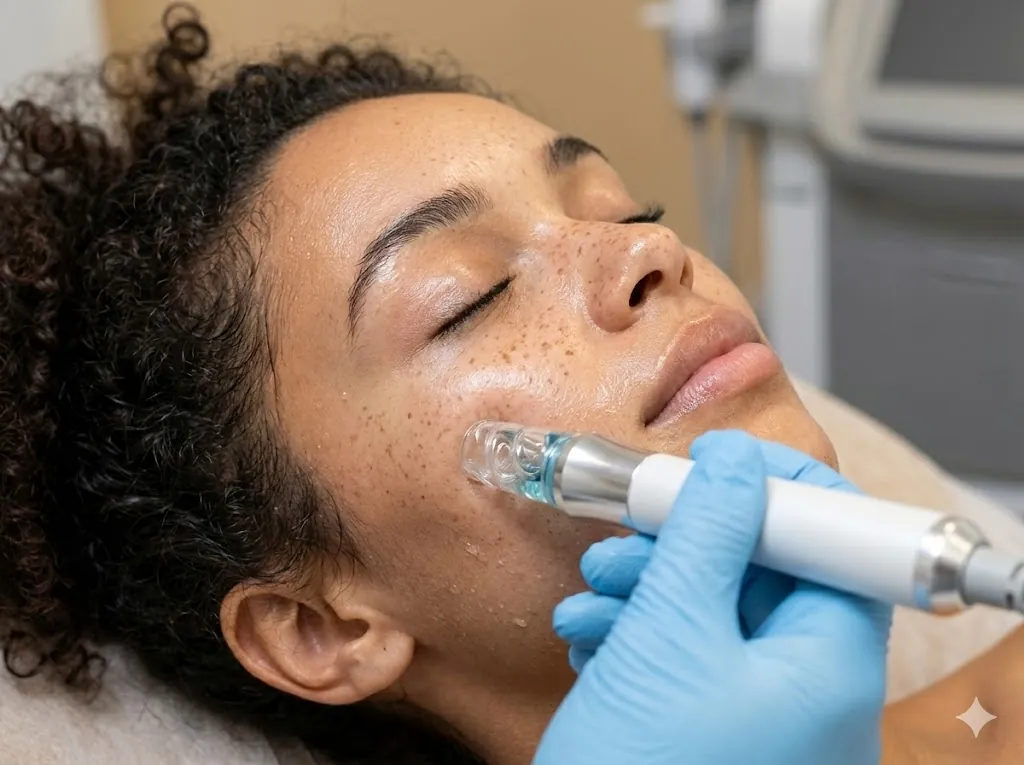
HydraPeel is a physician-supervised deep-cleansing facial, often described as an oxygen facial, that exfoliates with water, clears pores with gentle suction, infuses hydrating serums and finishes with oxygen. It mainly targets congestion, dullness and dehydration; most people notice a brighter look straight away, and results vary from person to person.
In the evolving landscape of medical aesthetics, the quest for non-invasive yet clinically effective skin resurfacing has led to the development of sophisticated multi-modality platforms. At Richmond Anti-Aging Clinic (RAAC) in Richmond, BC, we prioritize treatments that are backed by physiological principles. The hydrapeel—often categorized as an advanced oxygen facial—is a cornerstone of our preventative and restorative protocols. While many commercial facials offer superficial relaxation, the HydraPeel system utilized at our clinic is designed for deep cleansing and cellular optimization. Under the clinical oversight of our licensed physician, every HydraPeel protocol is tailored to the patient’s unique dermatological profile. Learn more about HydraPeel to understand how this technology bridges the gap between traditional spa services and medical-grade interventions.
How does a HydraPeel facial work?
HydraPeel works in four steps carried out in one session: water-based exfoliation, vacuum extraction to clear pores, infusion of hydrating serums and antioxidants, and an oxygen phase aimed at an immediate glow.
The efficacy of the HydraPeel lies in its simultaneous four-step process: exfoliation, extraction, infusion, and oxygenation. Unlike traditional microdermabrasion, which relies on abrasive crystals or diamond tips that may cause micro-trauma, HydraPeel utilizes hydro-dermabrasion.
1. Hydro-Dermabrasion and Mechanical Exfoliation
The process begins with the mechanical removal of the stratum corneum. Using a specialized vortex-style tip, a saline-based solution is propelled at high velocity against the skin. This fluid kinetic energy loosens dead keratinocytes without the inflammatory response often seen with dry abrasion. This stage is critical for increasing skin permeability, allowing subsequent active ingredients to penetrate deeper into the viable epidermis.
2. Vacuum-Assisted Extraction
Simultaneously, a regulated vacuum suction is applied. This serves a dual purpose: it removes the debris loosened during exfoliation and performs a "deep cleansing" of the follicular ostia (pores). By clearing sebum plugs and atmospheric pollutants, the vacuum reduces the bacterial load on the skin, which may help in managing mild acneic conditions.
3. Bio-Active Infusion
Once the skin barrier is temporarily bypassed, the system delivers a cocktail of low-molecular-weight hyaluronic acid, antioxidants, and peptides. Because the skin is in a state of hyper-permeability following the hydro-exfoliation, these molecules can reach the deeper layers of the epidermis more effectively than topical application alone.
4. The Oxygenation Phase
The "oxygen facial" component of the HydraPeel involves the application of pressurized oxygen combined with specialized serums. This process is grounded in the Bohr Effect. By increasing the local concentration of oxygen, we aim to support cellular metabolism and collagen synthesis. Some people notice a fresher "glow" right after this step; results vary.
Is there evidence that hydro-dermabrasion works?
Peer-reviewed studies suggest hydro-dermabrasion may thicken the epidermis more than dry methods and may improve how well antioxidants penetrate the skin, though individual results vary.
The transition of hydro-dermabrasion from a cosmetic luxury to a clinical staple is supported by several peer-reviewed observations. While individual results vary, the physiological impact of these mechanisms is well-documented.
- Hydro-dermabrasion vs. Microdermabrasion: Hydro-dermabrasion may, for some patients, support a more uniform distribution of collagen fibers compared to traditional dry methods, based on how the technology works. The study noted that the hydrative component of the treatment mitigated the inflammatory markers typically associated with skin resurfacing.
- Topical Antioxidant Penetration: Mechanical exfoliation combined with pressurized infusion may, for some patients, help enhance the absorption of Vitamin C and E in the skin, based on how the technology works. This suggests that the HydraPeel is an effective delivery system for pharmaceutical-grade nutrients.
- Oxygenation and Skin Regeneration: While HydraPeel is not a wound-healing treatment, the principles of oxygen delivery suggest that localized oxygen may, for some patients, support the skin's natural regenerative cycles, particularly in skin stressed by urban pollutants in the Greater Vancouver area. Book a Consultation to discuss how these clinical findings apply to your specific skin concerns.
Who should (and shouldn't) get a HydraPeel?
HydraPeel generally suits congested skin, enlarged pores, environmental damage and sensitive skin that cannot tolerate strong peels; it may not suit active sunburn, severe cystic acne, serum allergies or recent isotretinoin use.
At Richmond Anti-Aging Clinic (RAAC), we believe that even non-invasive treatments require rigorous medical screening. Dr. Charles Jiang and our clinical team evaluate every patient using the Fitzpatrick Scale and a detailed medical history.
Who is an Ideal Candidate?
- Congested Skin: Individuals with persistent blackheads or enlarged pores.
- Environmental Damage: Patients in Richmond exposed to UV radiation and urban oxidation.
- Pre-Event Optimization: Those seeking immediate improvement in skin texture and radiance with little downtime.
- Sensitive Skin: Because the HydraPeel is adjustable, it can often be safely performed on those who cannot tolerate aggressive chemical peels.
Limitations and Contraindications
While highly versatile, HydraPeel may not be suitable for individuals with:
- Active sunburn or systemic infections.
- Severe cystic acne (which requires different medical interventions).
- Known allergies to specific serum components (e.g., shellfish allergies if certain marine-derived collagen is used).
- Recent use of high-dose isotretinoin. Physician oversight by a licensed professional like Dr. Jiang ensures that contraindications are identified before treatment begins, prioritizing patient safety over all else.
How does HydraPeel compare with microdermabrasion and chemical peels?
Compared with dry microdermabrasion and level 1-2 chemical peels, HydraPeel uses fluid rather than crystals or acids alone, adds hydration and serum infusion, and usually involves less peeling than a chemical peel.
To help our patients make informed decisions, it is helpful to compare HydraPeel with other common resurfacing treatments available in the Richmond area.
| Feature | HydraPeel (Oxygen Facial) | Traditional Microdermabrasion | Chemical Peels (Level 1-2) |
|---|---|---|---|
| Mechanism | Fluid-based exfoliation + Infusion | Dry crystal/diamond abrasion | Chemical keratolysis |
| Downtime | Minimal | Minimal (Redness for 2-4 hours) | 1-5 days (Peeling) |
| Hydration Level | High (Deeply hydrating) | Low (Can be drying) | Variable |
| Customization | High (Adjustable serums) | Moderate | High |
| Pain Level | Most people find it comfortable | Mild scratching sensation | Stinging/Heat |
Why Choose Richmond Anti-Aging Clinic (RAAC)?
Choosing a clinic for your hydrapeel in Richmond involves more than just finding the lowest price. It is about ensuring the technology is authentic and the providers are medically trained.
- Physician-Led Care: Dr. Charles Jiang oversees the clinical protocols at RAAC, ensuring that every treatment meets careful standards of medical safety.
- Advanced Technology: We utilize medical-grade devices to ensure safety and consistent results.
- Personalized Treatment Plans: We don't believe in a one-size-fits-all approach. Your HydraPeel may be combined with other modalities for synergistic effects.
- Bilingual Service: Our staff is proud to serve the Richmond community in both English and Chinese, ensuring clear communication regarding your skin health goals. Treatments take place in a physician-led medical setting rather than a day spa. Book a Consultation today to experience this difference.
Frequently Asked Questions
Is the HydraPeel painful?
The treatment involves a cool, wet, massage-like sensation.
Is there a risk of PIH after treatment?
Because HydraPeel is non-ablative and focused on hydration, it carries a low risk of post-inflammatory hyperpigmentation (PIH). For Asian skin types that are more prone to PIH, Dr. Jiang adjusts the suction strength and serum formulation to help support safety.
How many treatments will I need to see results?
Some people notice an improvement in skin radiance and texture after a single treatment; results vary. For ongoing deep cleansing and skin maintenance, we typically suggest a monthly maintenance treatment.
Can I wear makeup after treatment?
Yes. Downtime is minimal for most people: many apply makeup and return to work and normal activities the same day, though temporary redness is possible.
This article is for educational purposes only and does not constitute medical advice. Please consult with a qualified healthcare professional before undergoing any treatment.