Ultherapy cost is not one fixed number; it depends on which areas (brow, jawline, neck or chest) are mapped, how many sessions are planned, the energy and units applied, and who performs the treatment. RAAC quotes pricing only after a personal assessment with Dr. Jiang, since treatment is planned around your anatomy rather than a standard package.
What factors shape the cost of Ultherapy?
Cost is built from the areas treated, the number of sessions planned and the energy delivered, not a single flat fee.
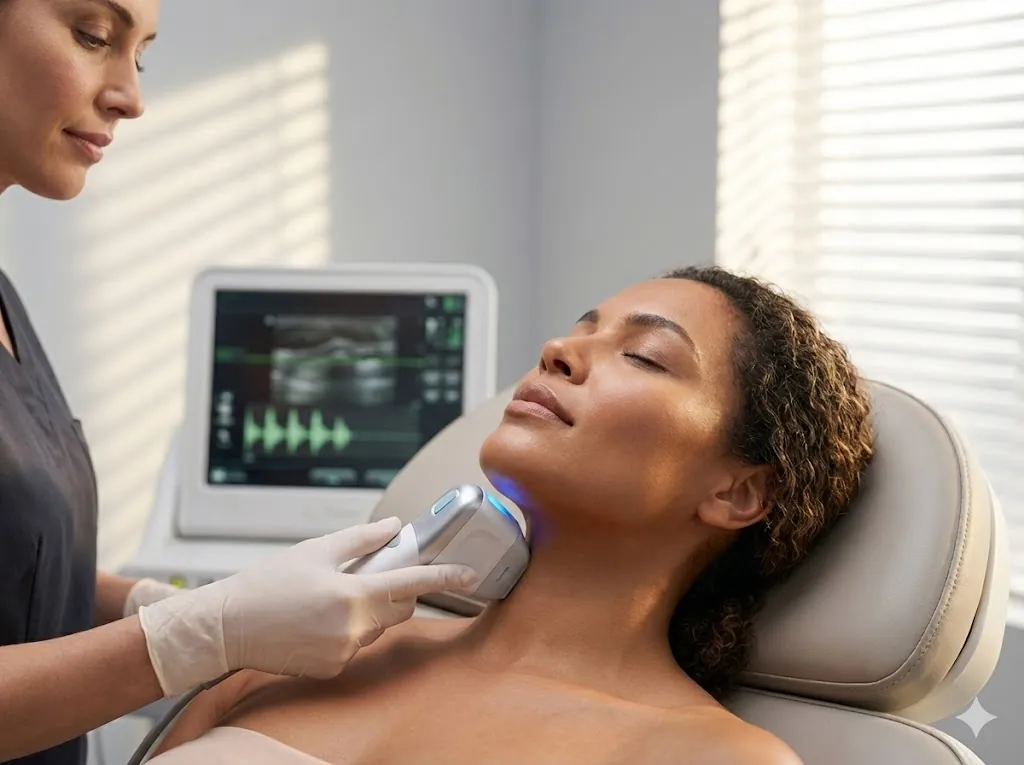
Ultherapy PRIME uses micro-focused ultrasound with real-time imaging to lift and tighten skin on the brow, mid-face, jawline, under-chin, neck and décolletage. A typical session for the face and neck runs about 60–90 minutes, and most plans call for one session, with results building gradually over roughly 2–3 months. Because the areas mapped and the time required differ from person to person, the quote reflects your specific plan rather than a standard package.
Planning is individual, so cost also depends on which areas are included. Common areas people ask about are:
- Brow and area around the eyes
- Mid-face and cheek
- Jawline
- Submental (under-chin)
- Neck
- Décolletage
Broader treatment plans covering several areas generally involve more time and energy than a single smaller area, which is reflected in the quote.
Because planning is anatomy-based, pricing is set after Dr. Charles Jiang's assessment of SMAS depth, laxity pattern and treatment goals, so the figure you receive is specific to your face and neck rather than a generic rate.
Why do Ultherapy price quotes differ between clinics?
Quotes can differ because clinics use different devices, provider training and planning approaches, so comparing by price alone can be misleading.
At RAAC, Ultherapy is delivered as Ultherapy PRIME (Merz), which uses real-time ultrasound imaging so the practitioner can see tissue layers while energy is being delivered, rather than treating by surface markings alone. Treatment is also preceded by a physician assessment, with Dr. Charles Jiang overseeing candidate evaluation, before any plan is finalized.
Planning itself is individualized rather than template-based. Each face is assessed for:
- SMAS depth
- vector direction
- laxity pattern
Treatment lines are then mapped to that specific anatomy and the person's goals, which affects how much time and energy delivery is involved — and therefore how a quote is built.
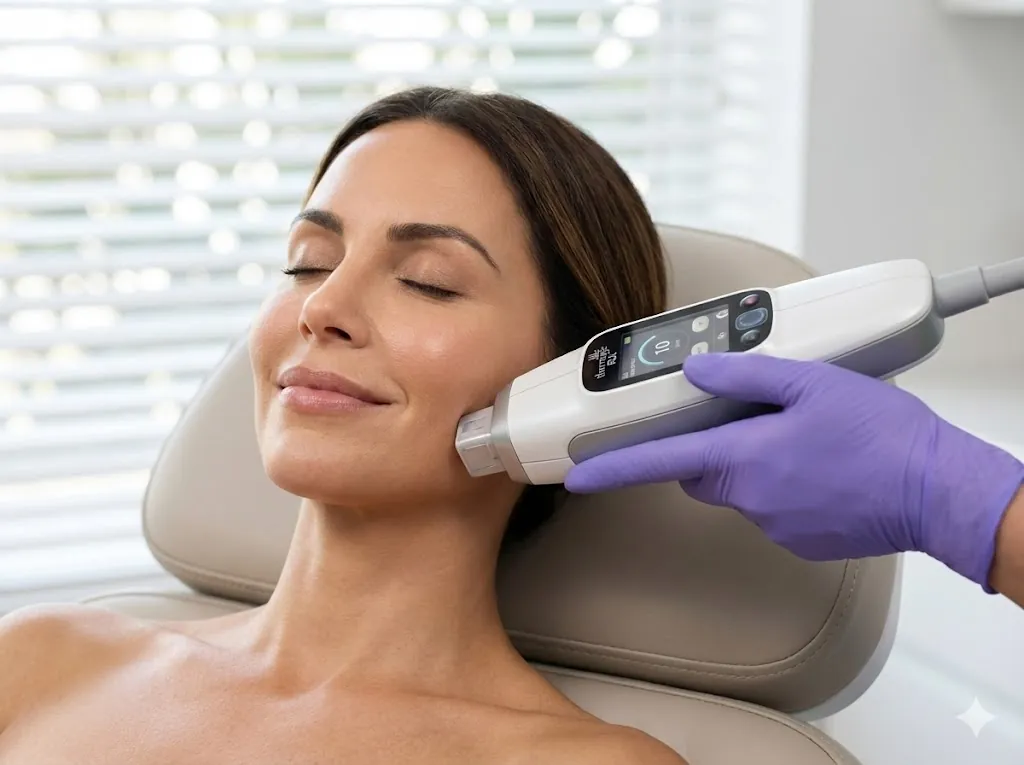
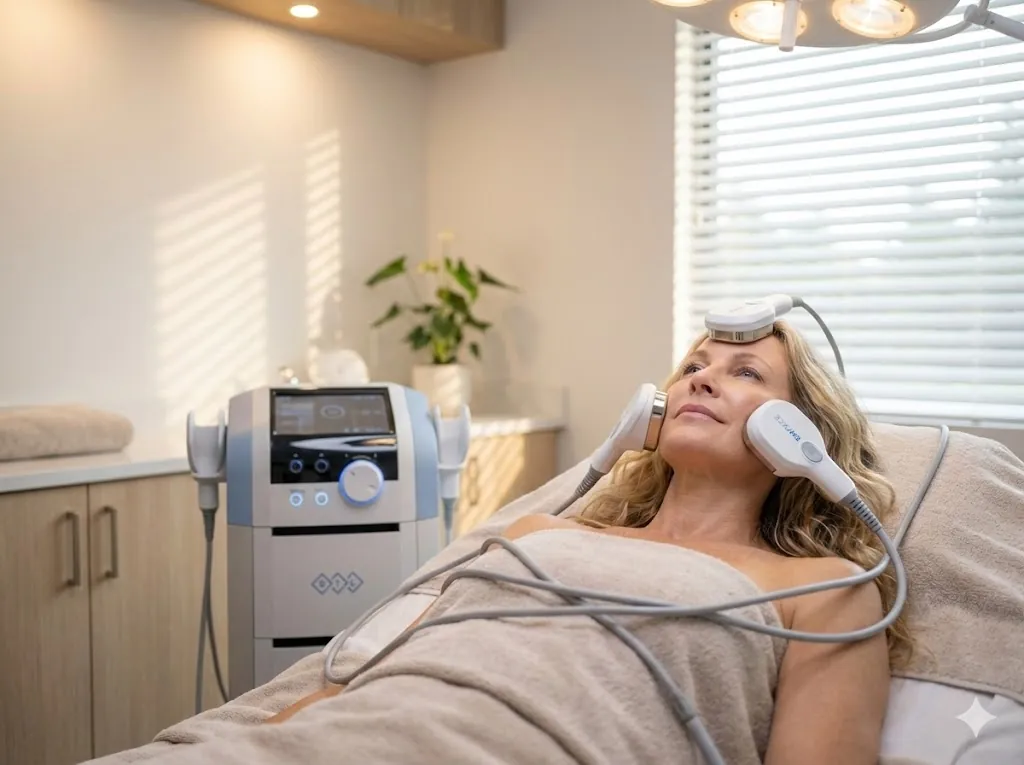
It's also worth understanding that "ultrasound lifting" and "radiofrequency lifting" are not the same category of device. Thermage FLX, for example, is a radiofrequency-based skin tightening device (the fifth generation of Thermage), while Ultherapy uses micro-focused ultrasound. Because the underlying technology, imaging approach and assessment process differ between clinics and between device types, a lower quote elsewhere may reflect a different scope of planning rather than a better price for the same service.
What should an Ultherapy consultation quote itemise?
A clear quote should break down the assessed areas, planned sessions, mapped treatment lines and any suggested maintenance care.
Before any numbers are discussed, Dr. Charles Jiang, a licensed physician in British Columbia and lead physician at RAAC, carries out a physician assessment to confirm candidacy and review your anatomy. This step shapes the rest of the quote, since it determines which areas are reasonable to treat and how they should be approached.
From there, each face is assessed individually for SMAS depth, vector direction and laxity pattern. Treatment lines are mapped to your anatomy and goals rather than a fixed template, so the quote should reflect what was specifically mapped for you, not a generic package.
A written quote may itemise:
- Areas assessed (brow, mid-face, jawline, under-chin, neck, décolletage)
- Number of sessions planned, since Ultherapy PRIME is typically a single session for face and neck
- Treatment lines mapped during the consultation
- Any suggested maintenance care, such as medical-grade skincare, sun protection or future touch-up treatments to support results over time
Asking for this breakdown in writing before treatment helps you understand what you are paying for and why the plan looks the way it does.
What happens during an Ultherapy session?
A typical visit includes mapping, treatment with real-time imaging, and aftercare guidance, usually taking about 60 to 90 minutes for the face and neck.
The session starts with mapping: your practitioner reviews the areas discussed at your assessment with Dr. Charles Jiang and marks the treatment lines based on your anatomy. During treatment, real-time ultrasound imaging is used so tissue layers can be seen while energy is delivered at the intended depth. A single smaller area, such as the brow or under-chin, generally takes less time than treating the full face and neck.
Sensation during treatment varies from person to person. It is commonly described as intermittent deep heat, tingling, or occasional brief sharper moments as energy passes through the tissue. Comfort options, such as a topical numbing cream or an oral pain reliever, may be discussed beforehand, and your clinician checks in with you throughout the session. Your physician advises on what is suitable for your situation.
Plan to be at the clinic a bit longer than the treatment time itself, since mapping beforehand and aftercare instructions afterward are part of the visit. Before you leave, your clinician reviews what to expect in the hours and weeks ahead.
Are there limits or side effects to consider with Ultherapy?
Most people return to normal activities the same day, though temporary redness, swelling or tenderness can occur and results vary by anatomy. These effects, along with occasional tingling, usually settle within hours to a few weeks. Gentle skincare and daily sunscreen are generally advised afterward, and your clinician reviews aftercare steps with you before you leave the clinic.
As for limits, Ultherapy works by stimulating the body's own collagen production, which means change is gradual rather than immediate, and the degree of lift or tightening possible depends on individual anatomy, age and skin condition. A treatment plan built around one person's SMAS depth and laxity pattern will not translate identically to another.
A few points worth keeping in mind:
- Downtime is typically minimal, but mild swelling or tenderness is still a normal part of the process for some.
- Results depend on individual tissue response and the treatment plan mapped at assessment — not every area or every person responds the same way.
- Anatomy and ageing patterns influence how much lifting or tightening can realistically be expected.
Dr. Charles Jiang, lead physician at RAAC, evaluates candidacy and anatomy before any session is planned, which helps set realistic, individualized expectations ahead of treatment.
How long do Ultherapy results last, and does that affect cost?
Because results build gradually and commonly last around one to two years, maintenance planning is often part of the overall cost picture. How long this holds for any individual depends on biological response to the treatment and on the ongoing effects of ageing, so the range is approximate rather than fixed.
This timeline matters when thinking about cost because Ultherapy is not typically a one-time, permanent purchase. Instead, it is reasonable to think of it as an investment in collagen stimulation that fades over time as new collagen is naturally broken down and remodelled, the way skin tissue is in general.
Several things can support results between or after treatments:
- Medical-grade skincare suited to your skin
- Daily sun protection
- Periodic maintenance treatments, spaced according to how your skin responds
Dr. Charles Jiang, as RAAC's lead physician, factors in this expected trajectory when discussing a treatment plan, since the number of sessions and any follow-up appointments can influence the total cost over time. Individual results vary, so any projection of how long your results may last is best discussed at consultation rather than assumed from general ranges.
Is Ultherapy worth the cost compared with alternatives like Thermage FLX?
Whether Ultherapy is worth it depends on goals and anatomy, since it targets deeper structural layers while other energy devices work at different depths. Ultherapy uses micro-focused ultrasound to reach the SMAS layer, the same deeper tissue plane addressed in surgical facelifts, aiming to support lifting without incisions. Treatment is delivered at multiple depths, typically 1.5mm, 3.0mm and 4.5mm, so both superficial texture and deeper support structures can be addressed in the same session.
Thermage FLX, by comparison, is a radiofrequency device (the fifth generation of Thermage) that heats tissue to encourage tightening, working at a different depth and through a different mechanism than focused ultrasound. Neither approach is interchangeable with the other; they are suited to different anatomy and goals.
When weighing cost against alternatives, it helps to think about:
- Which tissue depth your goals call for (surface texture versus deeper structural support)
- How gradual a result you are comfortable waiting for
- Whether your anatomy and laxity pattern suit one mechanism over another
Dr. Charles Jiang evaluates anatomy and SMAS depth before recommending a plan, so any comparison between devices is made against your specific face and goals rather than in the abstract. Individual results vary.
Frequently asked questions
What determines the cost of Ultherapy?
Cost is shaped by which areas are treated (brow, jawline, neck, under-chin, décolletage), how many sessions and how much ultrasound energy or lines are mapped to your anatomy, and whether any maintenance sessions are planned. RAAC quotes this after an assessment with Dr. Charles Jiang, since treatment plans are individualized rather than fixed.
Why do Ultherapy quotes differ between clinics?
Quotes can differ because clinics may plan different numbers of areas, lines or energy levels, use different devices or technique, and have treatment performed or supervised by practitioners with varying levels of training. Always ask what is included in a quoted figure before comparing numbers between clinics.
What should an Ultherapy consultation quote itemise?
A clear quote should specify which areas are planned, how many sessions are recommended, whether any follow-up or maintenance visits are included, and who performs the treatment. This lets you compare quotes on an apples-to-apples basis rather than by a single number alone.
Does the cost of Ultherapy for jowls differ from other areas?
Pricing is personalized because treatment of the jawline or jowl area depends on the amount of laxity, the lines mapped during assessment, and whether it is combined with other areas like the neck. Dr. Jiang evaluates your anatomy before any plan or quote is given.
What questions should I ask before booking Ultherapy?
Ask which areas and depths are planned, how many sessions are recommended, whether the quote includes any follow-up visits, and who will be performing the treatment. It is also reasonable to ask how results typically build and how long they tend to last for your situation.
Is Ultherapy worth it?
Whether Ultherapy is worth it depends on your goals, anatomy and expectations for gradual, natural-looking change rather than a surgical-level lift; results commonly last around one to two years and individual results vary. A consultation with Dr. Jiang can help clarify whether it fits your goals before any plan or quote is given.
How does Ultherapy's cost structure compare with Thermage FLX?
Both Ultherapy and Thermage FLX are non-surgical energy-based treatments priced after an individual assessment based on areas treated and sessions planned, rather than a single fixed figure; the technologies differ (micro-focused ultrasound versus radiofrequency), which your clinician can discuss when planning your treatment.
Next steps
If you are weighing Ultherapy, a physician-led assessment at Richmond Anti-Aging Clinic (RAAC) in Richmond can clarify whether it suits you. Book a consultation — available in English and Chinese. You can also read more on the Ultherapy treatment page.
This article is for educational purposes only and does not constitute medical advice. Please consult with a qualified healthcare professional before undergoing any treatment.