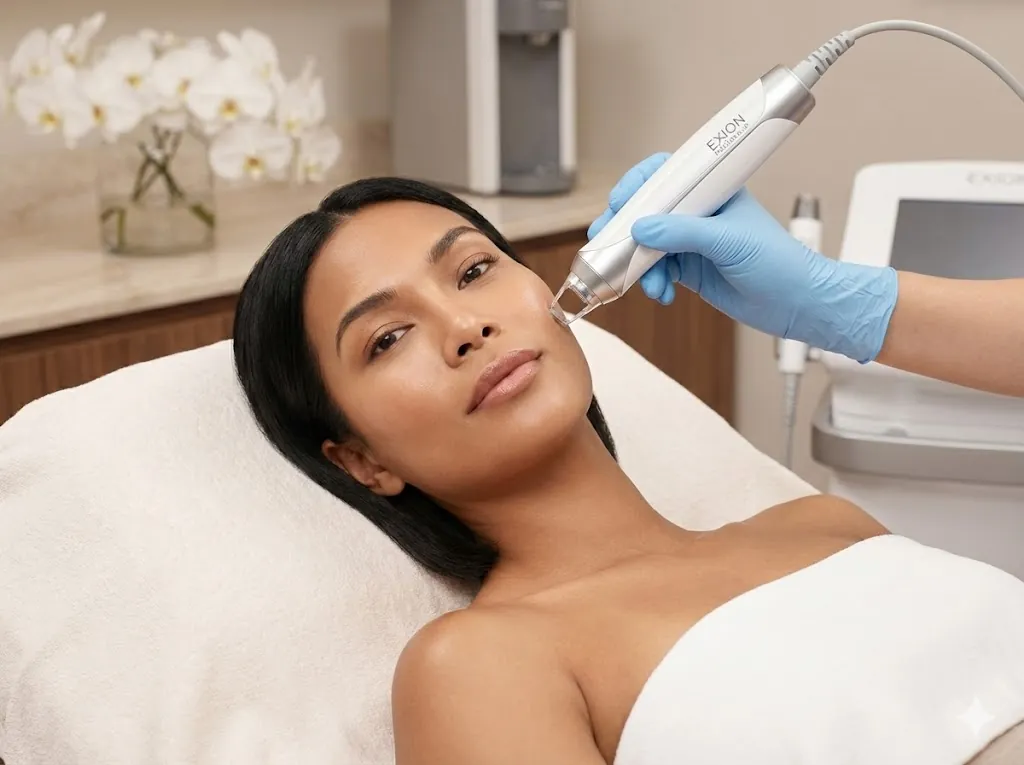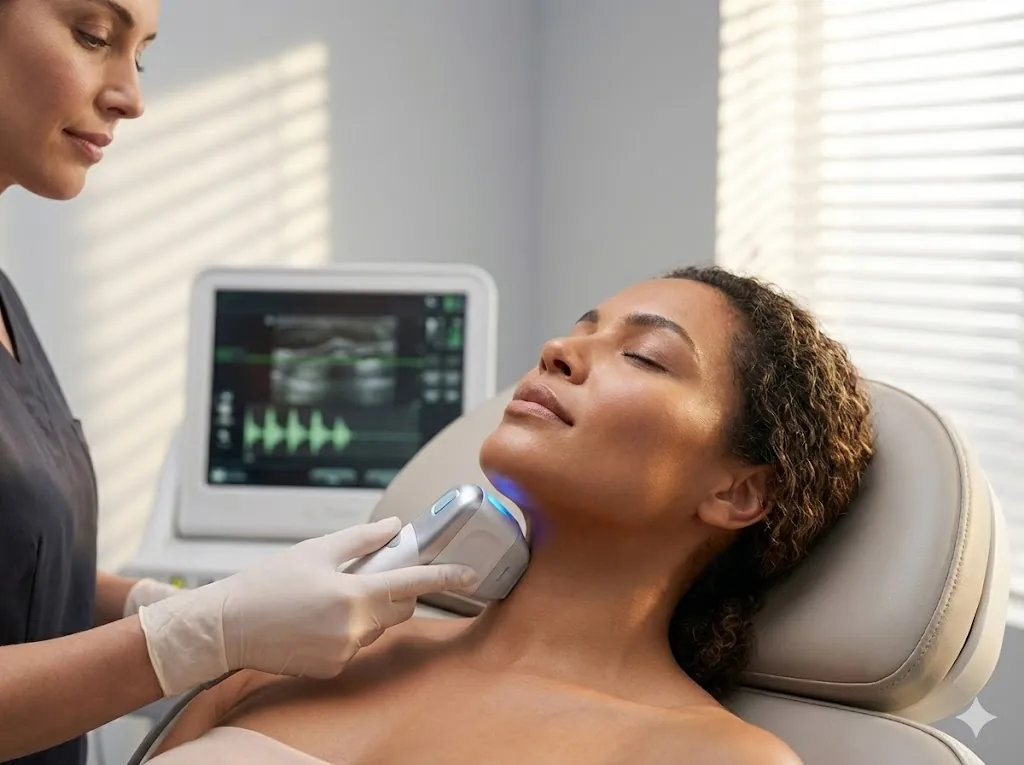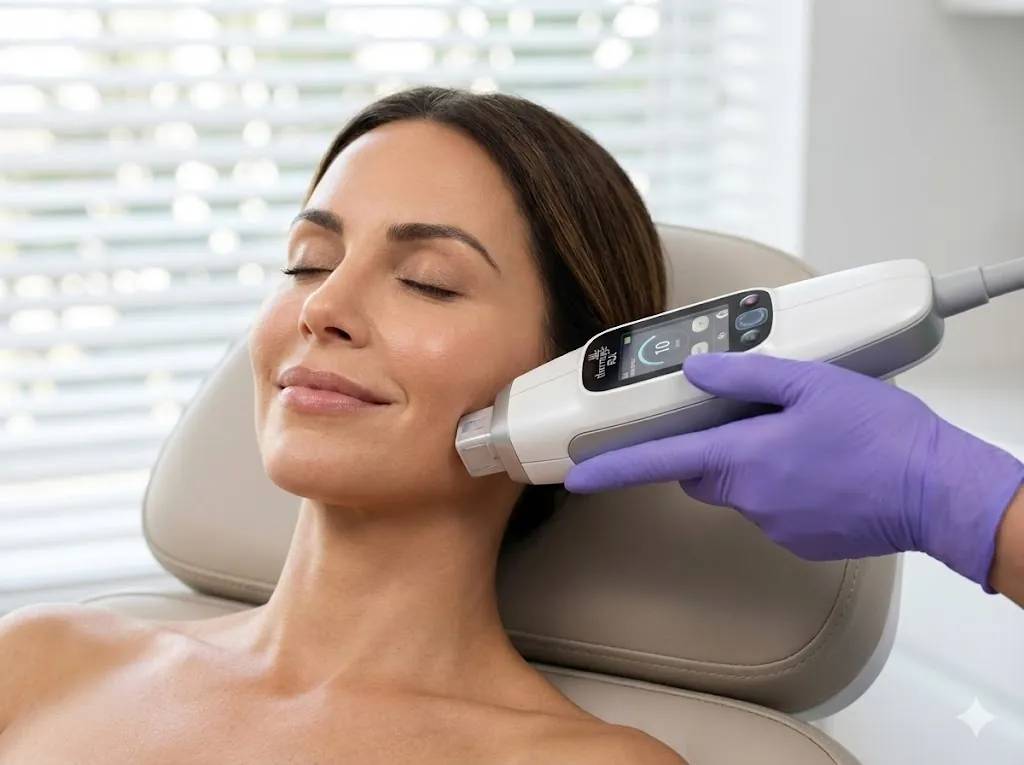

PicoSure and PicoWay are both picosecond lasers: they deliver energy in pulses measured in trillionths of a second, which act on pigment and tattoo ink mainly through a pressure (photomechanical) effect rather than heat. They are made by different manufacturers and use different wavelengths and handpieces. Richmond Anti-Aging Clinic (RAAC) uses PicoWay; we do not offer PicoSure.
People often search for "PicoSure vs PicoWay" while researching pigmentation treatment or tattoo removal. Both are established device platforms, and the published comparisons between them are limited and use different protocols, so neither can be called the better choice for everyone. For an individual, what usually matters more is the concern being treated, the skin type, and how the physician chooses the wavelength, energy and number of sessions. This article explains how the two systems differ so you can read about either one in context.
What are PicoSure and PicoWay?
Both are picosecond lasers from different manufacturers: PicoSure is made by Cynosure and PicoWay by Candela. Each offers more than one wavelength, plus a handpiece designed for skin texture.
- PicoSure (Cynosure) is built around a 755 nm alexandrite wavelength, with other wavelengths available on some configurations. Its Focus Lens Array is a diffractive lens used for skin texture treatments; in Chinese the device is often called 蜂巢皮秒 ("honeycomb pico") after that lens.
- PicoWay (Candela) is built around 1064 nm and 532 nm wavelengths, with additional 785 nm and 730 nm handpieces. Its Resolve handpiece delivers energy in a fractional pattern and is used for skin texture treatments.
In the medical literature, picosecond lasers of both kinds are discussed for three main groups of concerns: pigmentation such as sun spots, freckles and some types of melasma; tattoo removal; and skin texture, such as fine lines and acne scars, using a fractional or lens-array handpiece. They may help with these concerns, but results vary from person to person and most concerns need more than one session.
How do picosecond lasers differ from traditional lasers?
Traditional Q-switched lasers use nanosecond pulses and rely more on heat. Picosecond lasers use shorter pulses that act more through pressure, which may mean less heat reaching the surrounding skin. Results still vary, and any laser can cause side effects.
Mechanism of Action: Photomechanical vs. Photothermal
- Picosecond lasers (PicoSure, PicoWay): The very short pulse breaks pigment or ink into smaller fragments, mainly through a pressure wave, which the body then clears gradually. Less heat is generated around the target, which may lower the risk of heat-related side effects for some patients.
- Traditional lasers (e.g., Q-switched): Nanosecond pulses rely more on a photothermal effect, heating the target to break it down. These lasers have long been used for pigment and tattoos; the extra heat can increase the risk of post-inflammatory hyperpigmentation (PIH) in some skin types.
Downtime and Recovery
- Picosecond lasers: Temporary redness and mild swelling are common and usually settle within hours to a few days. Treated spots may darken before they flake off. Tattoo sessions can cause pinpoint bleeding, blistering or crusting that takes longer to heal.
- Traditional lasers: Recovery depends on the settings and area, and can include several days of redness, swelling or crusting.
Longevity of Results
Pigment that has been cleared does not come back by itself, but new spots can form with sun exposure, and melasma often recurs because it is driven by hormones, heat and light. Daily sun protection and, for some people, maintenance sessions are part of the plan. Tattoo clearance depends on ink colour, depth and age; complete removal cannot be promised.
How do PicoSure and PicoWay compare side by side?
The table below sets the two systems side by side on the practical points discussed above. It describes the devices in general terms and does not say one is better.
| Feature | PicoSure | PicoWay |
|---|---|---|
| Manufacturer | Cynosure | Candela |
| Core wavelengths | 755 nm, with other wavelengths on some configurations | 1064 nm and 532 nm, plus 785 nm and 730 nm handpieces |
| Texture handpiece | Focus Lens Array | Resolve fractional handpiece |
| Mechanism | Picosecond pulses, mainly photomechanical | Picosecond pulses, mainly photomechanical |
| Uses discussed in the literature | Pigmentation, tattoo ink, skin texture | Pigmentation, tattoo ink, skin texture |
| Sessions | Usually several; varies by concern | Usually several; varies by concern |
| At RAAC | Not offered | Used at RAAC |
How does a physician choose settings for your skin type?
The physician matches the wavelength to the target and the energy to the skin type. Skin that tans easily needs more conservative settings, because any laser can cause temporary darkening or lightening of the skin.
- Skin type: The Fitzpatrick scale describes how skin reacts to the sun. Fitzpatrick III-V skin, common in Asian patients, has a higher risk of PIH, so lower energy, more sessions and longer intervals are often chosen.
- Target depth and colour: Longer wavelengths such as 1064 nm reach deeper pigment and dark ink; 532 nm is used for superficial pigment and red or orange ink; 730 nm, 755 nm and 785 nm are used for some blue and green inks.
- The concern itself: Melasma is treated cautiously, because heat and irritation can make it worse; a test area is sometimes used first.
- Before and after care: Sun protection before and after treatment, and avoiding a recent tan, may lower the risk of pigment changes.
At RAAC, licensed physician Dr. Charles Jiang reviews your skin type, medical history and goals before any treatment plan is made.
Which picosecond laser does RAAC use?
RAAC uses PicoWay; we do not offer PicoSure. Our picosecond treatments are physician-led and use PicoWay's wavelengths and Resolve handpiece, with settings chosen for each person's skin type. Our team speaks English and Chinese.
- Learn more about PicoWay laser treatment for pigmentation, melasma and skin texture.
- PicoWay for body pigmentation, such as sun spots on the shoulders, arms and hands.
- Tattoo removal with PicoWay, including cosmetic brow tattoos.
If you have had PicoSure or another laser elsewhere, bring the dates and any notes you have to your consultation; they help the physician plan your settings.
Frequently Asked Questions (FAQs)
1. Is PicoSure better than PicoWay, or the other way round?
Neither is better for everyone. Both are picosecond lasers with several wavelengths, and the studies comparing them are small and use different protocols. The choice of wavelength, energy and session spacing for your skin usually matters more than the brand of device.
2. Does RAAC offer PicoSure?
No. RAAC uses PicoWay; we do not offer PicoSure. If you were looking for PicoSure, a PicoWay consultation can tell you whether a picosecond laser suits your concern.
3. Can picosecond lasers be used on darker skin?
They are used across a range of skin types, including Fitzpatrick IV-VI, with settings adjusted for the skin. Any laser can still cause pigment changes, including PIH, so suitability is decided at a consultation.
4. How many sessions are usually needed?
For pigmentation, several sessions spaced about 4-6 weeks apart are common. Tattoos usually need more sessions, spaced about 6-8 weeks apart, depending on ink colour and depth. The number varies by person.
5. What does treatment feel like?
Most people describe a quick snapping sensation, like a small rubber band. Cooling or a topical numbing cream may be used, and the sensation varies by area and settings.
Next Steps
If you are comparing picosecond lasers for pigmentation, skin texture or a tattoo, a consultation is the place to talk through your skin type and goals. Book a Consultation with our physician-led team in Richmond, BC.
This article is for educational purposes only and does not constitute medical advice. Please consult with a qualified healthcare professional before undergoing any treatment. Individual results vary.